
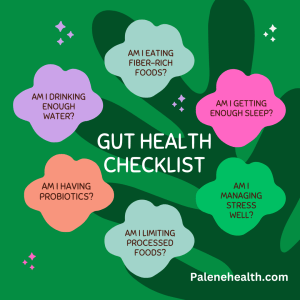
Lately, we’ve discovered that our gut plays a bigger role in our health than we ever thought. It turns out that keeping your gut healthy is key not just for digestion, but also for a strong immune system. In this article, “The Impact of Gut Health on Your Immune System: How to Strengthen Both Naturally,” we’ll dive into how your gut affects your immune system and share easy, natural tips to boost both. You’ll learn how taking care of your gut can help you feel better and stay healthier overall. Let’s explore how a happy gut can lead to a stronger, healthier you.
What Is Gut Health?
Gut health refers to the balance and function of the digestive system. It is the balance, particularly of the gut microbiome, which is a complex community of microorganisms residing in your digestive tract. This includes bacteria, viruses, fungi, and other microbes that play a vital role in gut health. The gut microbiome plays a fundamental role in digestion, nutrient absorption, and immune system regulation.
Having a balanced gut microbiome ensures efficient digestion and absorption of nutrients. This supports a strong immune system and prevents the growth of harmful bacteria. When this balance is disrupted—due to factors like poor diet, stress, or illness—gut health can suffer, which in turn affects overall health. This is what triggers many health problems such as:
- Digestive issues (e.g., bloating, gas, constipation, diarrhea)
- Weakened immune system
- Fatigue and low energy
- Mental health concerns (e.g., anxiety, depression)
- Skin problems (e.g., acne, eczema)
- Weight fluctuations
- Autoimmune conditions
Understanding The Gut-Immune Connection
Understanding the relationship between gut health and the immune system is very crucial. Gut health and the immune share a very complex co-existence that balances each other. Recognizing how these two systems are interconnected helps you see how a healthy gut:
- Supports a strong immune system.
- Reduces risk of infections and diseases.
- Helps control inflammation.
- Ensures efficient nutrient absorption.
- Affects mental health.
- Promotes overall well-being.
Immune System Basics
The immune system is your body’s defence network against pathogens such as bacteria, viruses, and fungi. It includes various cells, tissues, and organs that work together to detect and destroy harmful invaders.
A significant player in this system is your gut, which houses about 70% of your immune cells in a specialized area called the gut-associated lymphoid tissue (GALT). Key immune cells in this system include:
- White Blood Cells (Leukocytes). These are the primary defenders, including:
- Macrophages. They engulf and digest pathogens and dead cells, and signal other immune cells.
- Neutrophils. These respond quickly to infections, attacking and killing bacteria.
- Lymphocytes:
- T Cells. They coordinate immune responses and attack infected cells.
- B Cells. They produce antibodies to mark pathogens for destruction.
- Dendritic Cells. They capture and process foreign particles, presenting them to T cells to kickstart a targeted immune response.
- Gut-Associated Lymphoid Tissue (GALT). This includes:
- Peyer’s Patches. Clusters of lymphoid cells in the intestines monitor gut bacteria and generate immune responses.
- Appendix. Thought to help maintain gut flora and support immune function.
Understanding the role of these cells and tissues highlights the importance of gut health in maintaining a strong immune system. A healthy gut ensures that your immune system can effectively detect and manage threats, keeping you well-protected and balanced.
How Does the Gut Microbiome Affect Immunity?
The gut microbiome has a profound impact on your immune function including;
- Immune Modulation. Having good bacteria in the gut helps to regulate the immune system. This microbiome produces signalling molecules that influence the behaviour of your immune cells. This helps maintain a balanced immune response, preventing overactivity that could lead to autoimmune diseases or allergies.
- Barrier Function. The inner lining of your gut serves as a barrier between your internal environment and the external world. When there is a healthy microbiome, it supports the integrity of this barrier. This means that it prevents harmful substances from entering the bloodstream and causing negative immune responses. An imbalance of this microbiome can lead to a condition known as “leaky gut,” where toxins and pathogens breach the gut barrier and enter the bloodstream. This leakage leads to systemic inflammation and immune system dysfunction.
- Inflammatory Response. The gut microbiome helps regulate inflammation. One thing you should know is that chronic inflammation is often driven by an imbalanced microbiome. When not addressed on time, it can contribute to various health issues, including chronic diseases like cardiovascular disease, diabetes, and certain cancers. By promoting a balanced microbiome, you can help manage inflammation levels and reduce the risk of these diseases.
What Are the Signs of An Imbalanced Gut Health?
Before diving into how to improve gut health, it’s useful to recognise signs of an imbalanced gut. These can include:
- Digestive Issues
Bloating, Gas, Diarrhea, Constipation, or Heartburn. These problems often arise from an imbalance in gut bacteria or inflammation in the digestive tract. When your gut microbiome is disrupted, it can cause improper digestion and the fermentation of undigested food. This is what causes gas and bloating. Diarrhea and constipation may also occur as a result of irregular gut motility or the inability to process certain foods properly. Heartburn is another key symptom that is caused by increased acid production or irritation in the esophagus. These signs are often linked to poor gut health.
- Food Sensitivities
Intolerances or Allergies. When your gut is compromised, it can affect your body’s ability to handle certain foods. For example, damage to the lining of the gut (leaky gut syndrome) can allow food particles to enter into the bloodstream. This triggers immune reactions and sensitivities. With time, this causes food intolerances, where the body struggles to digest certain foods. It also causes allergies, where the immune system reacts aggressively to otherwise harmless substances.
- Frequent Infections
Persistent Colds, Infections, or Recurrent Illnesses. Your gut houses a large portion of your immune system cells (70%). This means that when gut health is in poor health, it can impair your immune function. This makes it harder for your body to fight off pathogens. Failure to treat this problem results in frequent infections and a weakened body response to common illnesses. Why does this happen? Because the gut’s ability to regulate immune activity and produce necessary immune cells is compromised.
- Fatigue
Feeling Unusually Tired or Lethargic. Poor gut health hugely affects our digestive system. An unhealthy gut is responsible for the malabsorption of nutrients, which are essential in helping the body produce energy. If your gut isn’t effectively absorbing vitamins and minerals, like B vitamins and iron, it can result in chronic fatigue and low energy levels. Additionally, you can suffer from systemic inflammation which originates from the gut and can contribute to feelings of tiredness.
- Skin Problems
Conditions Like Eczema or Acne. Contrary to what most people think, having acne or breakouts is never an external problem. Struggling with acne has nothing to do with the skin itself but the issue lies in the gut. Inflammation and imbalances in gut bacteria can trigger inflammatory responses in other parts of the body, including the skin. For example, when leaky gut syndrome occurs, it can cause toxins and inflammatory molecules to enter the bloodstream. These toxins build up in no time, they cause skin flare-ups. Imbalances in gut microbiota can also affect how your body handles inflammation, exacerbating conditions like eczema or acne.
- Mental Health Issues
Increased Anxiety, Depression, or Mood Swings. Within your body exists a very important health aspect called the gut-brain axis. This is the connection between your gut and brain. Having an unhealthy gut can affect how this connection works, causing many problems in the body. In fact, poor gut health affects neurotransmitter (chemical messengers) production and brain function. Imbalances in gut microbiota can influence the levels of mood-regulating chemicals like serotonin, leading to symptoms of anxiety, depression, or mood swings. Also, chronic inflammation and gut imbalances can impact mental health by altering brain chemistry and stress responses. Would you like to know how you can maintain holistic mental health for your general well-being? Here is our expert guide to having mind-body well-being: https://palenehealth.com/2024/08/29/holistic-mental-health-a-comprehensive-guide-to-mind-body-well-being/
How to Improve Gut Health Naturally
Improving your gut health helps you to develop a stronger immune system and overall better health. Here are detailed strategies to help you achieve this:
- Incorporate Probiotics into Your Diet
Probiotics are live beneficial bacteria that support a healthy gut microbiome. They help replenish good bacteria and maintain balance. Here’s how you can include them in your diet:
- Yogurt. Choose yogurt with live and active cultures, as these contain beneficial probiotics. Look for labels that mention strains like Lactobacillus acidophilus or Bifidobacterium. For maximum health, go for natural yogurt with less or zero sugar.
- Kefir. This fermented dairy product is rich in probiotics and offers a diverse range of beneficial bacteria. It can be consumed as a drink or added to smoothies.
- Sauerkraut and Kimchi. These are fermented vegetables that are packed with probiotics. They are fermented under a strict clean process that ensures what you eat will benefit you. They also offer additional nutrients and can be a tangy addition to meals.
- Miso. This is a fermented soybean paste used in soups and sauces. It contains beneficial bacteria and adds flavour to dishes. You can eat it alone or add it to your food.
- Consume Prebiotic Foods
Prebiotics are non-digestible fibres that feed and promote the growth of beneficial gut bacteria. Including prebiotic-rich foods can enhance the effects of probiotics. Some top sources include:
- Garlic. Garlic contains compounds like inulin and fructooligosaccharides that help nourish good bacteria.
- Onions. These are rich in inulin and other prebiotics. Onions support gut health and add flavour to a variety of dishes.
- Bananas. As opposed to seeing bananas as containing too much sugar, see them as super fruits. They provide prebiotic fibres, potassium, and other nutrients that are crucial for your well-being. They are a convenient and healthy snack option.
- Asparagus. Asparagus contains prebiotic fibres and is also rich in vitamins and antioxidants. They have lots of potassium that promotes your heart health.
- Maintain a Balanced Diet
A balanced diet is crucial for overall health and a healthy gut. Focus on eating:
- Fruits and Vegetables. Every day, aim for a variety of colours and types to ensure you’re getting a broad range of vitamins, minerals, and fibre. Fibre helps to keep the digestive system running smoothly.
- Whole Grains. Go for foods like oatmeal, quinoa, and brown rice which are high in fibre. They help support gut health by providing a steady source of energy and promoting regular bowel movements.
- Lean Proteins. Include sources like chicken, fish, beans, and lentils. Protein is essential for repairing tissues and maintaining overall health.
- Healthy Fats. Look for healthy fats found in avocados, nuts, seeds, and olive oil. Healthy fats support cell function and reduce inflammation.
- Stay Hydrated
Proper hydration is essential for maintaining gut health. Water aids in digestion helps prevent constipation, and supports the balance of gut flora. Aim to drink at least 8 cups (about 2 litres) of water per day, and adjust based on activity levels and individual needs. You can also flavour your water by adding fruits so that you can enjoy staying hydrated.
- Manage Stress
Chronic stress can negatively impact gut health and immune function. Having high levels of stress can lead to digestive issues and disrupt the balance of gut bacteria. Effective stress management techniques include:
- Meditation. This helps to calm the mind and reduce stress. Regular meditation can improve emotional well-being and support overall health.
- Exercise. Aim to perform regular physical activity because it boosts mood, reduces stress, and supports gut health. Activities like walking, jogging, and yoga are beneficial in improving your stress level.
- Deep Breathing. Practising deep breathing exercises can help activate the parasympathetic nervous system, promoting relaxation and reducing stress levels.
- Get Adequate Sleep
Quality sleep is essential for a healthy gut and a robust immune system. Sleep allows your body to repair and regenerate, and inadequate sleep can disrupt gut health and immune function. Aim for 7-9 hours of uninterrupted sleep each night. Establish a regular sleep routine and create a restful environment to improve sleep quality. Adopt these sleep hygiene tips to improve your sleep quality: https://palenehealth.com/2024/09/04/sleep-hygiene-tips-for-better-sleep-personalized-strategies-for-adults-teenagers-and-people-with-anxiety/
- Limit the Use of Antibiotics
Antibiotics are drugs we consume to kill bacteria when we have infections. However, regular consumption of antibiotics can disrupt the balance of gut bacteria, leading to imbalances and potential health issues. Therefore, it is ideal to use antibiotics only when prescribed by a healthcare provider, and always follow their instructions. If you need antibiotics, consider taking a probiotic supplement during and after treatment to help replenish beneficial bacteria. Also, teach yourself to finish the antibiotic dose to prevent antibiotic resistance in the body.
Additional Tips for a Healthy Gut and Immune System
- Avoid Overconsumption of Processed Foods
Highly processed foods, including sugary snacks, fast food, and artificial additives, can negatively affect gut health. These foods disrupt the balance of your gut bacteria and contribute to inflammation. Research continues to show the link between processed foods and diseases such as cancers. For example, Research in The BMJ (2020) found that high consumption of processed foods was associated with a 10% higher risk of developing cancer, with an increased risk of breast cancer specifically. Another study also by The American Journal of Clinical Nutrition (2021) showed that diets high in processed foods were linked to up to a 20% higher prevalence of digestive disorders like inflammatory bowel disease (IBD). With that in mind, focus on whole, minimally processed foods for better gut health.
- Incorporate Fermented Foods
Fermented foods are rich in probiotics and can support gut health. In addition to yogurt and kefir, consider adding:
- Kombucha. This is a fermented tea that contains beneficial bacteria and yeast. You can even make it at home because the process of fermenting it is easy.
- Tempeh. This is a fermented soybean product and is a good source of protein and probiotics.
- Mindful Eating
Pay attention to your eating habits. Eating slowly and chewing food thoroughly can aid digestion and support gut health. Mindful eating can help you stop overeating and also enable you to listen to your body’s hunger and fullness cues.
- Consider a Fiber Supplement
If you’re not getting enough fibre from your diet, a fibre supplement may help support digestive health. Go for natural supplements as they have fewer side effects. Also, choose a supplement with a mix of soluble and insoluble fibres, and consult with a healthcare provider before starting any new supplements.
Conclusion
The connection between gut health and the immune system is both intricate and vital. A balanced gut microbiome plays a key role in supporting a robust immune response and overall well-being. To naturally enhance both your gut and immune system, consider incorporating probiotics and prebiotic foods into your diet, maintaining a balanced diet, staying well-hydrated, managing stress, ensuring adequate sleep, and using antibiotics wisely. Improving gut health is a gradual journey, so focus on making small, consistent adjustments to your diet and lifestyle. These steps can lead to significant, long-term benefits for both your gut and immune system, promoting overall health and resilience.

