
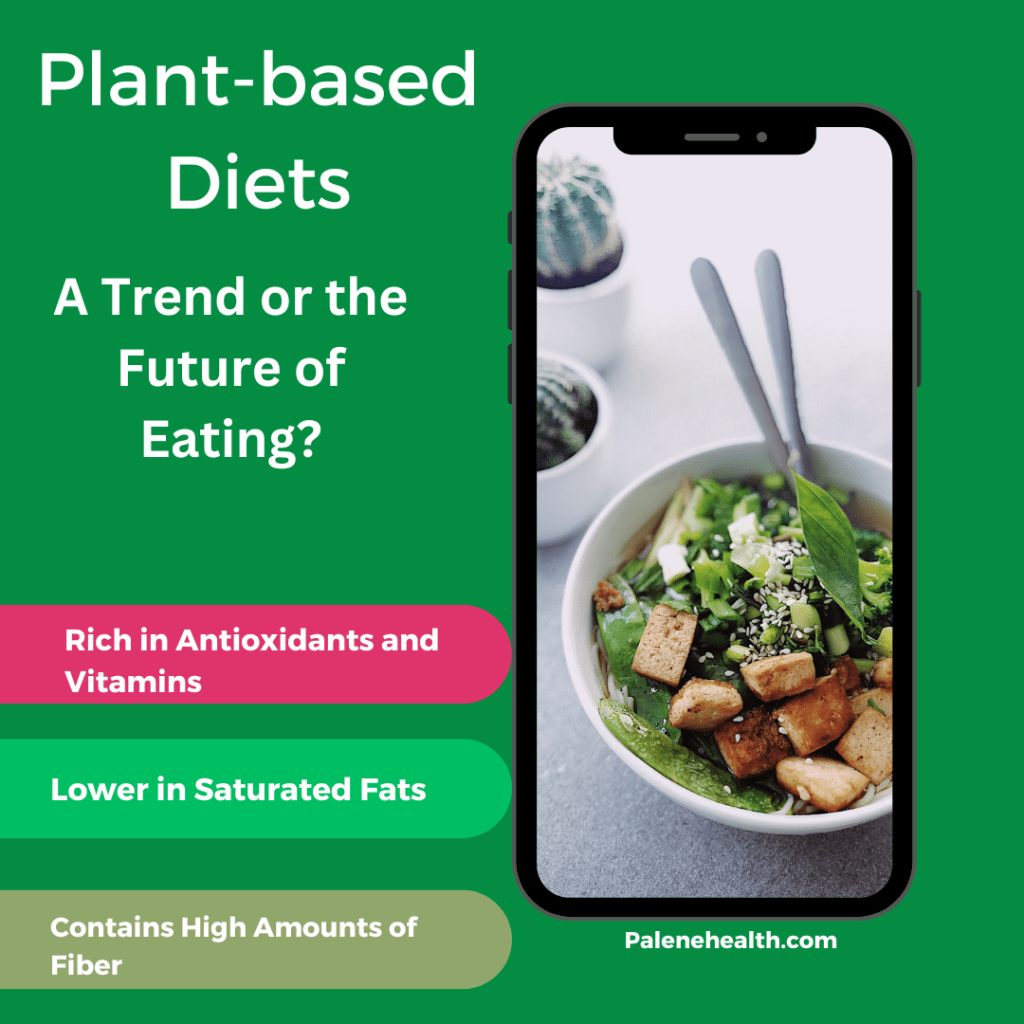
Have you noticed the growing buzz around plant-based diets worldwide? Research shows that a significant number of people, about 25% of adults globally, are actively reducing their meat consumption! This shift isn’t just a fleeting trend; it’s reshaping how you think about food and nutrition. In this article, we’ll explore the reasons driving this plant-based movement, including health benefits supported by studies. We’ll also discuss the positive environmental impact and share practical tips for you to embrace this lifestyle. Let’s read together and discover what this exciting change means for you!
What Is a Plant-Based Diet?
A plant-based diet focuses mainly on foods derived from plants. This includes fruits, vegetables, nuts, seeds, oils, whole grains, legumes, and beans. Interestingly, it doesn’t strictly eliminate animal products, although many who follow this diet consume very little meat and dairy. It’s important to recognise that this lifestyle can vary widely.
For instance, some people identify as vegetarians, avoiding meat but allowing eggs and dairy. Others might choose a vegan lifestyle, eliminating all animal products entirely. On the other hand, someone on a plant-based diet may still enjoy the occasional steak but prioritize plants as their main source of nutrition. It’s all about balance and making choices that feel right for you!
The Health Benefits of Plant-Based Diets
Heart Health and Cholesterol Levels
Adopting a plant-based diet can significantly benefit your heart health. Here are some key points about its impact on cardiovascular wellness:
- Lower Cholesterol Levels
A diet rich in fruits, vegetables, and whole grains is linked to lower LDL (bad) cholesterol levels. - Rich in Antioxidants
Plant-based foods are packed with antioxidants, which help reduce oxidative stress and inflammation in the body. - Reduced Saturated Fat Intake
Plant-based diets tend to be lower in saturated fats, commonly found in animal products. - Lower Blood Pressure
Many plant-based foods are high in potassium, which helps regulate blood pressure. - Overall Heart Disease Risk Reduction
Studies suggest that individuals following a plant-based diet experience a reduced risk of heart disease.
Weight Management and Obesity Prevention
Adopting a plant-based diet can be a game-changer for weight management. Here are some key points about its role in preventing obesity
- Lower Caloric Density
Plant-based foods are often lower in calories compared to animal products. - High in Fiber
These foods are rich in fibre, which promotes feelings of fullness and satiety. - Reduced Calorie Intake
The combination of low calories and high fibre helps reduce overall calorie intake without feeling deprived. - Healthier Food Choices
Individuals on plant-based diets tend to make healthier food choices, opting for whole, nutrient-dense foods. - Lower Obesity Rates
Research indicates that those who follow plant-based diets are less likely to be overweight or obese compared to meat-eaters.
Impact on Chronic Diseases
Considering a plant-based diet can significantly reduce the risk of chronic diseases. Here are some key points about its protective effects:
- Lower Risk of Type 2 Diabetes
Plant-based diets are associated with a reduced risk of developing type 2 diabetes. - Reduced Hypertension
This way of eating can help lower blood pressure levels, promoting cardiovascular health. - Cancer Prevention
Studies suggest that a plant-based diet may lower the risk of certain types of cancer. - High Antioxidant Intake
The diet is rich in antioxidants, which combat oxidative stress and inflammation. - Anti-Inflammatory Properties
Many plant foods contain anti-inflammatory compounds that contribute to overall health.
Nutritional Considerations
When it comes to nutrition, many people wonder how to get enough protein, vitamins, and minerals on a plant-based diet. Here are some key points to consider:
- Adequate Protein Sources
There are plenty of plant-based protein sources, including lentils, chickpeas, quinoa, and tofu. - Variety is Key
Pairing these proteins with a range of colourful fruits and vegetables ensures a well-rounded diet. - Essential Vitamins
Consuming a diverse selection of plant foods helps you get vital nutrients, like vitamins A, C, and K. - Mineral Intake
Plant-based diets can also provide important minerals, such as iron and calcium. - Nutrient Absorption
Combining certain foods, like vitamin C-rich foods with iron sources, can enhance nutrient absorption.
Environmental Impact of Plant-Based Eating
Carbon Footprint of Animal Agriculture
When it comes to the environment, the impact of our food choices is immense. Animal agriculture is a significant contributor to greenhouse gas emissions. Studies estimate that livestock farming accounts for around 14.5% of global emissions. By shifting towards a plant-based diet, you can help reduce your carbon footprint and support more sustainable food systems.
Water Usage and Land Degradation
Plant-based diets are also associated with lower water usage. Did you know that it takes about 1,800 gallons of water to produce a single pound of beef? In contrast, producing plant-based foods requires significantly less water. Transitioning to a diet rich in plants not only conserves water but also helps prevent land degradation caused by overgrazing and deforestation for animal farming.
Benefits of Sustainable Food Systems
Adopting a plant-based lifestyle promotes the development of sustainable food systems. This means supporting local farmers, reducing food waste, and choosing seasonal produce. It encourages a connection to food that emphasizes quality over quantity, fostering a more mindful approach to eating.
Studies on Plant-Based Diets and Their Ecological Benefits
Research continues to unveil the ecological benefits of plant-based eating. A landmark study published in the journal Nature revealed that adopting plant-based diets could reduce global food-related greenhouse gas emissions by up to 70% by 2050. That’s a staggering statistic!
Challenges of Adopting a Plant-Based Diet
Common Misconceptions and Barriers
While the benefits of a plant-based diet are quite evident, many individuals face several challenges that can make the transition seem daunting. Here are some of the most common misconceptions:
- Restrictive Nature
One of the biggest myths surrounding plant-based eating is that it is overly restrictive or too difficult to maintain over time. Many people assume that they must eliminate all animal products from their diets right away.
Solution: The reality is that plant-based eating can be as simple or as complex as you choose it to be! You don’t need to cut out all animal products overnight. Instead, consider starting slowly by incorporating more plant-based meals into your routine.
- Gradual Change
Transitioning to a plant-based lifestyle doesn’t have to be an all-or-nothing approach.
Try:
“Meatless Mondays.”: This can be a fun way to begin experimenting with plant-based meals without feeling overwhelmed.
Swapping a Few Meals Each Week: For instance, if you typically have meat for dinner every night, try replacing two or three of those meals with plant-based alternatives. It’s important to remember that this journey is about gradual change rather than striving for perfection right from the start.
- Social and Cultural Factors
Navigating social gatherings and cultural traditions can also present significant challenges for those trying to adopt a plant-based diet. These situations can often lead to feelings of frustration or exclusion. You may find yourself at a barbecue or family gathering where there are few if any, plant-based options available. This can make it difficult to enjoy social occasions while sticking to your dietary preferences. Try this instead:
- Bring Your Own Dish: A proactive solution is to bring a delicious plant-based dish that you can share with others. This way, you not only ensure that you have something to eat, but you also get to introduce others to the delicious flavours of plant-based cooking.
- Suggest Restaurants: When dining out, don’t hesitate to suggest restaurants that offer plant-based options. This encourages inclusivity and allows everyone to enjoy a meal together.
Nutritional Challenges and How to Overcome Them
Transitioning to a plant-based diet may require some adjustments, particularly regarding nutrient intake. Many people have concerns about whether they will be able to get all the essential nutrients they need:
- Key Nutrients
It’s vital to ensure that you’re getting enough of certain nutrients that are often less abundant in plant-based diets, such as:
- Vitamin B12: This is crucial for nerve function and the production of DNA and red blood cells. Since it is primarily found in animal products, you may need to look for fortified foods or consider taking a supplement.
- Iron: While plants do contain iron, it is in a form that is less readily absorbed by the body. To boost your iron intake, focus on consuming a variety of legumes, leafy greens, and fortified grains, and pair them with vitamin C-rich foods to enhance absorption.
- Omega-3 Fatty Acids: These essential fats are important for heart health and are typically found in fatty fish. You can obtain omega-3s from sources such as flaxseeds, chia seeds, and walnuts, or consider algae-based supplements for a plant-derived option.
- Consult Professionals:
It’s always a good idea to consult with a healthcare professional or nutritionist for personalized advice to ensure you’re meeting your nutritional needs effectively.
Tips for Transitioning Smoothly
Practical Tips for Embracing a Plant-Based Lifestyle
Making the shift to a plant-based diet can be exciting and fulfilling. Here are some practical tips to help you embrace this lifestyle more smoothly:
- Meal Planning and Preparation Ideas
- Meal Planning: Devote some time each week to planning your meals. This can alleviate the stress of deciding what to eat on busy days.
- Create a Shopping List: Make sure your shopping list includes plenty of fresh produce, whole grains, and a variety of plant-based proteins to keep your meals diverse and satisfying.
- Meal Prep: Cooking large batches of grains or legumes to use throughout the week can save you a considerable amount of time. This way, you can easily assemble meals in a hurry, helping you stick to your plant-based goals.
- Easy Recipes for Beginners:
Starting with simple yet delicious recipes can significantly enhance your experience as you transition. Here are a few easy ideas to kick off your plant-based journey:
- Chickpea Salad: Combine canned chickpeas, diced cucumber, tomatoes, red onion, and a drizzle of olive oil and lemon juice. This dish is not only easy to prepare but also refreshingly delicious!
- Vegetable Stir-Fry: Sauté your favourite vegetables in soy sauce and sesame oil, then serve over brown rice or quinoa for a filling and nutritious meal. This is a quick option that is packed with flavour.
- Smoothie Bowl: Blend bananas, spinach, and almond milk, then top with nuts, seeds, and fresh fruit. This makes for a nutritious breakfast that is both satisfying and energizing.
- Finding Community Support:
- Join Groups: Finding a supportive community can provide the encouragement and inspiration you need. Look for local or online groups focused on plant-based eating.
- Engage on Social Media: Platforms like Instagram and Facebook are filled with like-minded individuals sharing recipes, tips, and success stories. Connecting with others on a similar journey can help you stay motivated and excited about your dietary choices.
- Resources for Further Learning:
- Books: Consider exploring books such as “The How Not to Die Cookbook” by Dr. Michael Greger and “Forks Over Knives” by Gene Stone. These texts offer fantastic recipes and valuable insights into the health benefits of plant-based eating.
- Documentaries: Watching documentaries like “What the Health” and “Cowspiracy” can further educate you on the benefits of adopting a plant-based lifestyle. These resources will deepen your understanding and appreciation for this way of eating.
Conclusion
In conclusion, plant-based diets are not just a passing trend; they represent a significant shift towards healthier eating and sustainability. With numerous health benefits, a positive environmental impact, and a wealth of delicious food options, it’s an exciting way to nourish your body and the planet.
Whether you’re considering a full transition or simply looking to incorporate more plant-based meals into your diet, the benefits are undeniable. Embrace the journey at your own pace, and remember that every small change contributes to a healthier you and a healthier planet.
Share your experiences or thoughts on plant-based eating in the comments below! Let’s inspire each other to make choices that benefit our health and the environment.
Common Questions about Plant-Based Diets
- What is a plant-based diet?
A plant-based diet primarily focuses on foods derived from plants, including fruits, vegetables, grains, legumes, nuts, and seeds. It doesn’t necessarily mean eliminating all animal products but emphasizes plant foods as the main source of nutrition. - Can I get enough protein on a plant-based diet?
Absolutely! There are plenty of plant-based protein sources such as lentils, chickpeas, quinoa, and tofu. By incorporating a variety of these foods, you can easily meet your protein needs. - Will I miss out on essential nutrients?
With proper planning, you can obtain all essential nutrients on a plant-based diet. Key nutrients to pay attention to include vitamin B12, iron, and omega-3 fatty acids. Consider fortified foods or supplements if needed. - How can I transition to a plant-based diet?
Start gradually by incorporating more plant-based meals into your routine. You might begin with “Meatless Mondays” or try swapping a few meals each week. Planning and preparation can make this transition smoother. - What are some easy plant-based recipes for beginners?
Simple recipes like chickpea salad, vegetable stir-fry, and smoothie bowls are great for beginners. They are easy to make and require minimal ingredients, helping you enjoy delicious plant-based meals without stress.
Want to learn more? Check out our articles and share your thoughts or questions in the comments! We’d love to hear from you!
 Palene Health