
Are you feeling overwhelmed by constant notifications and excessive screen time? You’re not alone. In today’s digital age, our minds are often overstimulated. But what if taking a break from screens could lead to sharper focus and better mental clarity?
In this blog, we will begin by showing you how too much screen time affects your brain. Then, we’ll explore the significant benefits of a digital detox on cognitive performance and mental health. We’ll break down the science behind why unplugging is so effective, using simple language.
You’ll also find practical steps to implement a digital detox and actionable strategies to get started. By the end, you’ll see that stepping away from digital devices is a crucial step toward a healthier, more focused mind.
The Science Behind Digital Detox
Understanding the Impact of Constant Screen Time
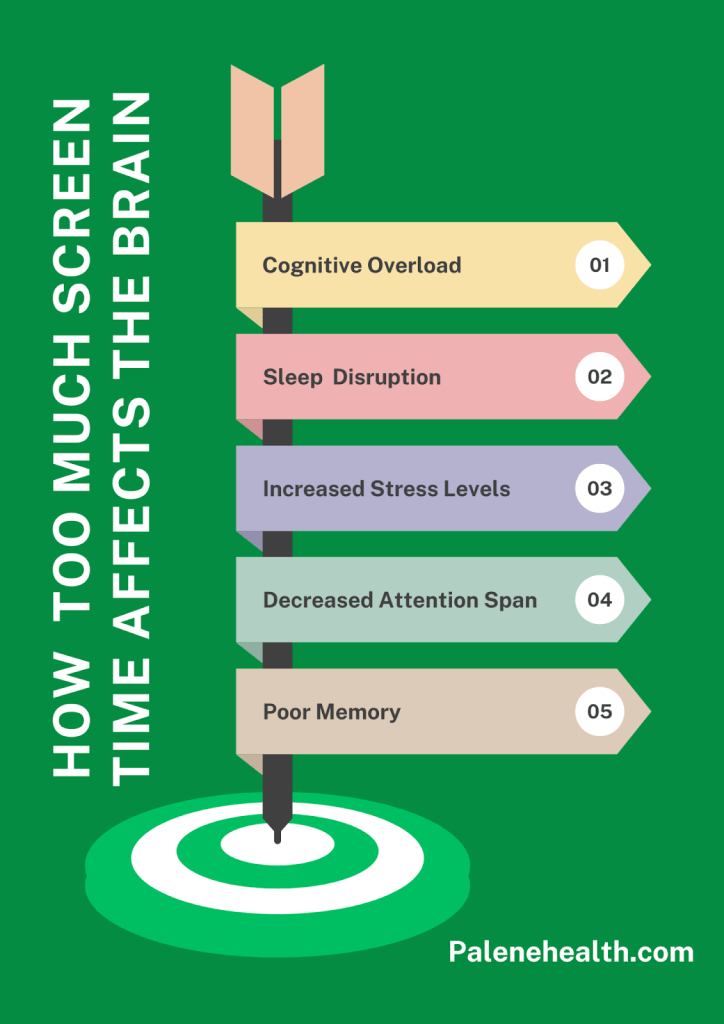
Our constant connectivity to digital devices such as phones and TVs might be taking a toll on our cognitive functions. What does that mean? To help you understand, here’s a closer look at how excessive screen time affects your brain:
- Cognitive Overload
Continuous exposure to digital devices keeps your brain overstimulated. With time, this can lead to cognitive overload, where your brain is constantly processing new information without rest. This explains why you feel tired after a long exposure to digital devices. You experience mental fatigue.
Many studies published by Neuropsychology teach that high levels of digital multitasking can impair our memory and attention. Also, having a constant influx of notifications and updates from these devices can overwhelm your brain.
When the brain is overwhelmed, it becomes difficult for you to focus on any single task for an extended period. In the long run, this reduces your productivity rate and increases mental exhaustion. This is one of the main reasons why there is a need to reduce screen time.
- Sleep Disruption
Most of the digital gadgets we see in the world emit something called blue light. When using a digital screen for a long time, this blue light interferes with melatonin production. Melatonin is the hormone that regulates your sleep cycles. Therefore, disrupting its production disrupts your natural sleep cycle.
To confirm the effects of blue light on sleep quality, research was conducted by The Journal of Clinical Sleep Medicine. From the findings, scientists reported that excessive screen time before bed leads to poorer sleep quality and cognitive impairment. Since Melatonin is a hormone that regulates sleep, its production is significantly impacted by blue light exposure.
This is why sometimes, you find it harder to fall asleep and stay asleep. Having poor sleep quality can further worsen other cognitive problems, leading to difficulties in concentration and memory.
- Increased Stress
With the rise in the use of social media, constant notifications, calls and pop-ups are a reality of today. However, did you know that constant notifications and digital interactions can heighten your stress levels?
A study in Computers in Human Behavior reveals that frequent smartphone checks are linked to increased anxiety and stress. The same research shows that people who constantly check their phones often experience cognitive problems such as poor concentration and memory.
This endless cycle of checking emails and social media can keep your mind in a constant state of alert, leading to chronic stress and reduced cognitive performance. Stress can also impair your ability to process information and make decisions effectively.
- Decreased Attention Span
Research keeps showing that spending too much time on screens can negatively affect your attention span. When you’re constantly jumping between different tasks and screens, it becomes harder to focus on any one thing.
A study published in Attention, Perception, & Psychophysics found that multitasking with digital devices can make it difficult to concentrate and process information properly. This can lead to lower productivity and a higher chance of making mistakes.
So, if you find yourself frequently switching tasks and screens, it might be time to consider reducing your screen time to improve your focus and efficiency.
- Impaired Memory Formation
Using digital devices too much can make it harder for you to remember things. A study published in Cognitive Research: Principles and Implications found that people who are often exposed to digital screens tend to have worse memory performance.
This is compared to those who take regular breaks from their screens. When you spend too much time on digital devices, your brain’s ability to store and process information can get disrupted. As a result, you might struggle to remember important details and learn new skills effectively.
How Digital Detox Can Help Improve Your Brain Function
What is a digital detox?
A digital detox is a process of taking a break from screens and technology to allow your brain to rest and recover. Here’s how unplugging can improve your cognitive health:
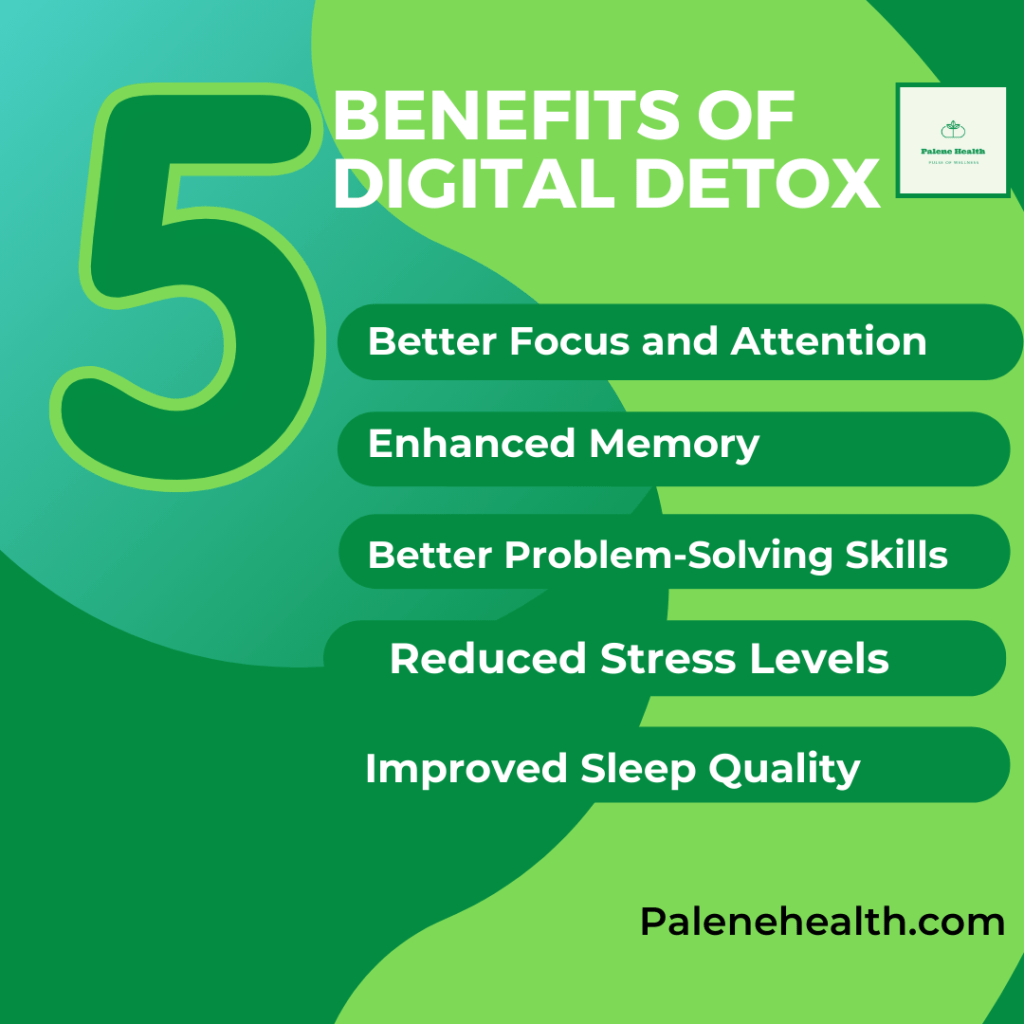
Improves Focus and Attention
Reducing distractions helps your brain to concentrate better. A study in Attention, Perception, & Psychophysics found that taking breaks from digital devices improves attention and cognitive control. By limiting screen time, you allow your brain to focus deeply on tasks without the constant interruptions by digital notifications.
Doing this regularly can enhance your ability to complete tasks efficiently and effectively. There is nothing better than having great concentration especially when dealing with important tasks.
Enhances Memory
Spending less time on digital devices can greatly improve your ability to remember and retain information. When you reduce your exposure to constant digital stimuli, your brain has a chance to process and store information more effectively.
This is because taking breaks from screens helps to prevent cognitive overload, allowing your brain to consolidate memories more efficiently. As a result, you’ll find it easier to recall important details and learn new skills.
This improvement in memory and cognitive function underscores the benefits of giving yourself a digital detox. By stepping away from screens, you can enhance your overall mental performance and keep your memory sharp.
Better Problem-Solving Skills
Taking a break from screens can help your brain think more deeply and creatively. For example, people who go for walks in nature, away from digital distractions, often perform better on tasks that require creative problem-solving.
When you’re not constantly interrupted by screens, your brain has more space to engage in thoughtful and inventive thinking. This can lead to new and innovative solutions and enhance your decision-making skills.
Essentially, unplugging from digital devices can significantly boost your cognitive performance and foster more effective and creative thinking.
Reduces Your Stress Levels
Reducing screen time can help lower stress levels. According to a 2023 study published in the Journal of Applied Psychology, people who regularly take breaks from technology experience less stress and improve overall well-being.
By stepping away from screens, you give yourself a chance to relax and unwind. This break helps lower your stress, which in turn can enhance your concentration and memory. Managing your screen time benefits your mental health and also boosts cognitive functions.
Once you start limiting screen time, your brain health will improve and you will also reduce your stress levels. Would you like to learn how to reduce your stress levels? Here is what you need to do: 10 stress busters -NHS
Improved Sleep Quality
Limiting screen exposure, especially before bedtime, can significantly improve your sleep quality. Research published in Sleep Medicine Reviews in 2023 shows that people who reduce their screen time before bed tend to sleep better and perform better cognitively the next day. Cutting back on screens before sleep helps your body produce melatonin naturally, which enhances both the quality and duration of your rest.
Better sleep leads to improved cognitive functions and overall well-being, highlighting the importance of reducing screen time for better sleep and brain health. Here are proven tips that can help you sleep well: 6 steps to better sleep – Mayo Clinic
Practical Tips for a Digital Detox
Ready to give your brain a break? Here are some practical tips to help you start your digital detox:
Set Boundaries
Set specific times to unplug from screens. This can help you to create a healthier balance and reduce digital overload. For instance, you might choose to avoid screens for at least one hour before bedtime. This helps your mind unwind and get ready for a good night’s sleep.
Establishing these boundaries can also include limiting screen time during meals or work hours. By doing this, you can increase productivity, stay focused, and enjoy more restful and undisturbed sleep. Creating clear limits on screen use helps manage your overall well-being and mental health.
Create Tech-Free Zones
Designate specific areas of your home as tech-free zones to enhance your sleep quality and create a more relaxing environment. For example, keeping your bedroom free from screens and digital distractions helps you create a peaceful space that promotes restful sleep.
You can also set up tech-free zones in other parts of your home to encourage more face-to-face interactions and reduce overall screen time. By doing this, you improve your sleep and also foster a more connected and mindful atmosphere in your daily life.
Schedule Regular Breaks
Take short breaks from screens throughout the day to help your brain stay fresh and focused. Set a timer to remind yourself to step away from your devices every hour. Use these breaks to stretch, go for a walk, or enjoy a hobby. Giving yourself time to recharge helps prevent mental fatigue and can improve your overall cognitive performance.
Regular breaks from screens are a simple but effective way to keep your mind sharp and maintain a healthy balance in your daily activities.
Engage in Offline Activities
Replace screen time with enjoyable offline activities like reading, hobbies, or spending time with loved ones. These activities can provide a refreshing break from digital distractions and help you reconnect with the world around you. Engaging in creative or relaxing hobbies can also enhance cognitive functions and reduce stress.
Practice Mindfulness
Try mindfulness practices like meditation and deep breathing to help you manage stress and improve your focus. These techniques work well alongside your digital detox efforts and can boost your overall well-being.
Mindfulness practices help you stay present and focused, which reduces the impact of digital distractions on your mental state. By engaging in these calming exercises often, you will enhance your ability to concentrate.
This will also help to lower your stress levels and maintain a clearer, more relaxed mind. Here is our guide on how mindfulness works: https://the-role-of-mindfulness-in-stress-management-/
Limit Social Media
Set limits on social media use or take breaks from it to reduce distractions and stress. This can help you focus better and lower your overall stress levels. Consider scheduling specific times for checking social media, rather than constantly scrolling throughout the day. Reducing social media use can also improve your mental well-being and cognitive performance.
Track Your Progress
Monitor your digital detox journey and note any changes in cognitive performance, stress levels, and well-being. Tracking progress can help you stay motivated and make necessary adjustments. Keep a journal or use an app to record your screen time, stress levels, and cognitive improvements over time.
Engage in Physical Exercise
Engaging in regular physical activity can support cognitive health and help manage stress. When you exercise, your body releases endorphins, which are natural painkillers. Endorphins are also ‘feel good’ chemicals that can improve your mood and cognitive function.
Add activities like walking, running, or yoga into your daily routine to complement your digital detox efforts. Physical exercise is good for enhancing cognitive performance and overall well-being.
Connect with Nature
Spend time outdoors to refresh your mind and reduce the effects of digital overload. Nature is a master healer and we all know that. Being in nature reduces stress and makes you think better. Make it a habit to take a hike, visit a park, or simply enjoy a walk outside to experience the mental benefits of connecting with nature. Being in nature can help reset your mental state and improve focus and clarity.
Establish a Routine
One of the best ways of reinforcing a habit is by creating a routine. For digital detox, this routine includes tech-free periods and activities that promote mental well-being. Having a structured routine can help you manage your digital usage more effectively and ensure that you allocate time for activities that support cognitive health.
A consistent routine can improve your levels of focus, productivity, and overall mental clarity. Here is our guide to help you establish habits that bring lasting change: Effective Strategies to Develop Healthy New Habits –
Why You Should Start Your Digital Detox Today
Taking a break from screens and technology can greatly benefit your cognitive health. A digital detox can enhance focus, memory, and problem-solving skills, reduce stress, and improve sleep quality.
Picture yourself concentrating fully on tasks, recalling information easily, and enjoying a better night’s sleep. These are just some of the advantages a digital detox can offer. It’s a simple yet effective way to boost your cognitive performance and achieve a more balanced life.
Making digital detox a regular part of your routine doesn’t have to be difficult. Start with small changes like setting screen time limits and taking frequent breaks. Gradually build on these habits to create a routine that fits your life. Reducing screen time and engaging in offline activities can lead to major improvements in your mental health and overall well-being.
So, are you ready to give your brain a break? Start your digital detox today and see how unplugging can lead to a clearer, more focused mind and a healthier, more balanced life.
If you found this helpful, let us know! Comment below, share this with friends and subscribe to our blog for more tips and insights.
 Palene Health