
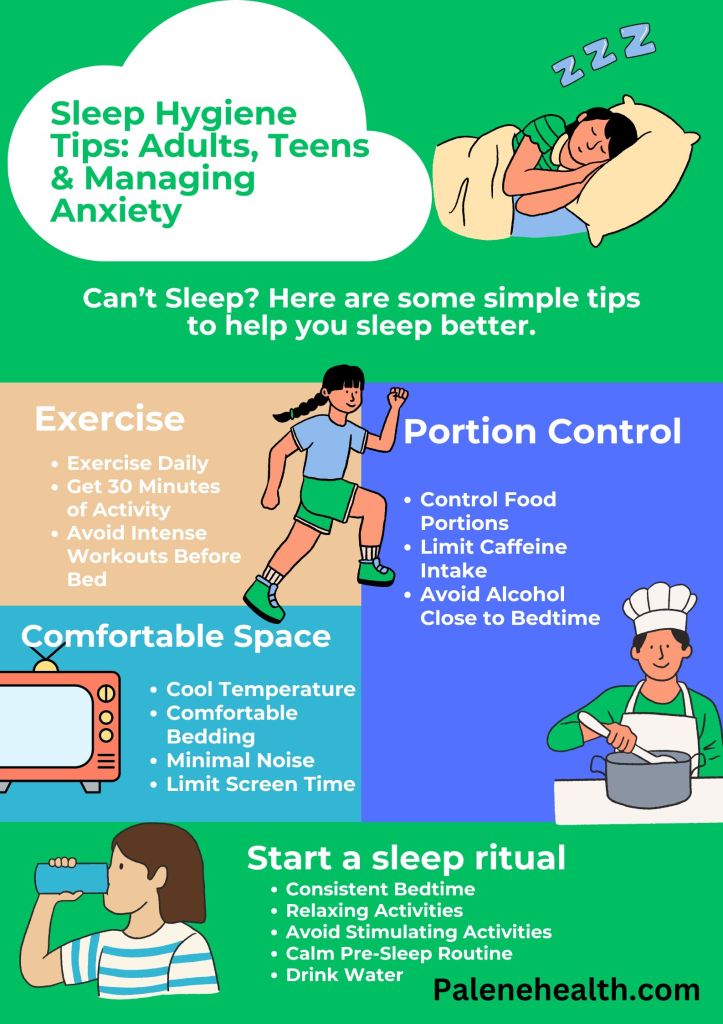
Sleep is essential for overall health and well-being. In our forever ‘busy’ world, many people struggle to get a good night’s rest. Did you know that data from the World Health Organisation (WHO) shows that approximately 1 in 3 adults globally struggle with sleep problems? This number translates to 2.5 billion people in the world who dont enjoy sleep each night.
If you are one of those people who toss and turn, unable to switch off from the day, it might be time to evaluate your sleep hygiene. Good sleep hygiene involves a series of habits and practices that help you achieve quality sleep consistently. Whether you are an adult dealing with stress or a teenager facing irregular sleep patterns, read this article.
Again, if you are someone suffering from anxiety, understanding personalised sleep hygiene tips can make a significant difference. This article will explore actionable strategies tailored to different needs, helping you cultivate habits for better sleep.
Understanding the Basics of Sleep Hygiene
What is sleep hygiene? Sleep hygiene refers to the habits and environmental factors that influence the quality and duration of your sleep. Having good sleep hygiene promotes better sleep, while poor sleep hygiene leads to insomnia, irregular sleep patterns, and even chronic health issues.
To avoid experiencing health issues that come with poor sleep hygiene patterns, it is important to have a consistent sleep routine. Additionally, creating a conducive environment for sleep and managing lifestyle choices is crucial in ensuring you enjoy quality sleep.
What Are the Key Components of Good Sleep Hygiene?
- Consistency. The human brain is highly adaptable. This means that anything habit you teach your brain becomes a habit with time. To remain consistent, go to bed and wake up at the same time every day even on weekends. This helps regulate your body’s internal clock, making it easier to fall asleep and wake up.
- Environment. Your bedroom should be a sleep sanctuary. This means it should be quiet, dark, and cool. To enhance this environment, use earplugs, blackout curtains, or a white noise machine if necessary. If being in total darkness is uncomfortable for you, opt for a dim sleeping environment.
- Pre-Sleep Routine. Before going to bed, it’s crucial to engage in activities that will relax your brain. Try activities like reading or taking a warm bath. This can signal to your body that it’s time to slow down, making it easier for you to fall asleep.
Personalized Sleep Hygiene Tips for Adults
As human beings grow old, managing numerous tasks becomes an order of the day. This juggling of responsibilities can lead to stress and anxiety, which then disrupts sleep. Therefore, it is advisable to adopt personalized sleep hygiene practices that are easier to actualise. This can be a game-changer. Before creating these personalised sleep hygiene patterns, let’s first understand the sleep and stress relationship. Shall we begin?
How to Manage Stress for Better Sleep
Stress and sleep are intertwined. The two share a complex relationship that continues to make it difficult for people to sleep as they should. Experiencing stress can significantly disrupt sleep by triggering the body’s “fight or flight” response. The consequence of this response is the production of stress hormones like cortisol and adrenaline. As these hormone levels rise in the bloodstream, they lead to difficulties in falling asleep, frequent awakenings, and reduced sleep quality.
Additionally, stress increases racing thoughts and anxiety levels, which then make it hard to relax, further compounding sleep problems. When this stress goes untreated for some time, it becomes chronic stress, which is a major cause of sleep disorders such as insomnia. This sleep disorder can perpetuate a cycle of poor sleep and heightened stress, affecting overall health and well-being. Breaking this cycle requires deliberate effort in practising the following techniques:
- Mindfulness and Meditation. Incorporate mindfulness meditation into your bedtime routine. These techniques focus on helping you relax and just be in the present moment. Doing this reduces the amount of stress you experience, and makes it easier for you to sleep without struggle. Additionally, embracing progressive muscle relaxation and guided imagery can calm the mind and body.
- Journaling. One of the best ways of channelling out negative thoughts is through writing. Writing down your thoughts before bed can help clear your mind of worries. Create a habit of journaling to process emotions and reduce anxiety. This writing is never in any particular order. You can write the wins or the losses of the day, or even one thing you are grateful for. It makes a difference with time.
Creating a Sleep-Inducing Environment
Your bedroom should be a haven for sleep. It should be a place that activates your mood for resting and sleeping. How do you create such an environment?
- Temperature. Keep your room cool, ideally between 60-67°F (15-19°C). Your bedroom should not be too hot or too cold. A cooler environment helps facilitate the body’s natural drop in temperature during sleep. Again, a room that is too warm can interfere with this natural cooling mechanism, leading to difficulties falling asleep and frequent awakenings.
- Lighting. The human brain doesn’t sleep fully with artificial lights on in most cases. Therefore, eliminate sources of artificial light. To achieve this, use blackout curtains and consider dim, warm lighting in the evening to mimic the natural setting sun.
- Sound. Sound significantly impacts sleep quality, as it can either facilitate or disrupt restful sleep. Creating a quiet, calming environment or using sound machines to produce soothing background noise can help improve sleep quality and reduce the likelihood of disturbances. Use white noise or gentle, consistent sounds, which mask disruptive noises and create a soothing environment conducive to falling asleep. Conversely, sudden or loud noises, such as traffic or loud conversations, can cause awakenings and disturb the sleep cycle. The brain remains partially alert during sleep, so any unexpected sounds can trigger stress responses and reduce sleep continuity.
Digital Detox Before Bed
We live in a world of social media, constant entertainment and electronic media. Most gadgets like phones, TVs, laptops, etc have one thing in common and that is the emission of blue light. Blue light has been shown to affect circadian rhythms and melatonin production, which can interfere with sleep if exposed to it in the evening.
Melatonin is a hormone that helps regulate sleep-wake cycles, and reduced levels of it can make it harder to fall asleep. To ensure that you sleep well, create a digital detox plan specifically for your sleep. Here is how to:
- Screen-Free Zone. Set the last hour before bed as a screen-free time. As opposed to watching videos, playing games or just scrolling, use this time to engage in offline activities like reading. You can also do gentle yoga, or listen to soothing music and it will calm your mind.
- Blue Light Filters. If you must use screens at night, use blue light filters or apps that reduce blue light exposure. Many smartphones and computers come with built-in settings to enable this feature. If you do not have access to these filters in your gadgets, you can access them on online platforms.
Sleep Hygiene Tips for Teenagers: Regulating Sleep Patterns
Teenagers experience many challenges that may impact their quality of sleep. Many have unique sleep needs including hormonal changes and social pressures that can lead to irregular sleep patterns. As a result, teenagers may struggle to focus or suffer from fatigue due to poor sleep. However, there is a solution to this.
Establish a Consistent Sleep Schedule
Teenagers should aim for 8-10 hours of sleep each night. This is important to ensure that they remain productive and healthy as well. Therefore, encourage them to maintain a regular sleep schedule through:
- Bedtime Routine. Help teenagers create a bedtime routine. To be effective, it is important to teach them the importance of having quality sleep. During this routine, you can include winding down activities like reading or listening to calming music before going to bed.
- Limit Late-Night Activities. Encourage teens to avoid late-night studying, social media, or video games close to bedtime. These activities may make it difficult for them to rest fully, which impacts their sleep quality negatively.
Creating a Teen-Friendly Sleep Environment
- Comfortable Bed. Enjoying a good night’s sleep requires a good quality mattress. It is also important to invest in pillows that support a comfortable sleep position.
- Minimal Distractions. Because most teenagers struggle with sleep issues, keep the bedroom free of electronic devices. Eliminate anything that can tempt teens to stay awake for long such as smartphones, tablets, and gaming consoles.
Managing Screen Time and Social Media
Social media can be a significant sleep disruptor for teenagers when not minimised. As a parent/caregiver/teenager, you can implement the following strategies to limit its impact:
- Setting Boundaries. Encourage teens to set boundaries with their devices. Remind them to create limitations such as no phones an hour before bed or no screens in the bedroom. This can help train their brains to remain undisrupted while preparing to sleep.
- Educational Discussions. As poor sleep and sleep disorders continue to rise globally, education on sleep is paramount. It is crucial to educate teenagers about the impact of blue light on sleep and the importance of winding down without screens. This can help them make better life choices that will keep them worry-free as adults.
Sleep Hygiene for People With Anxiety
Anxiety is a common sleep disruptor. Anxiety makes it challenging to relax, be in the present moment or even fall asleep naturally. When it comes to sleep hygiene, focusing on calming the mind is important for those with anxiety. To create effective sleep hygiene for people with anxiety, try the following:
Evening Relaxation Techniques
As the night approaches, anxiety tends to get worse, making it difficult to enjoy sleep. However, you can train the mind to perform certain practices as the day ends, and this will help. These include:
- Progressive Muscle Relaxation. Practice tensing and relaxing different muscle groups. This technique helps to release physical tension and prepare the body for sleep.
- Breathing Exercises. Try performing slow and deep breathing exercises. Deep breathing opens up the lungs, allowing them to take in more air. This provides much oxygen to the brain and body organs, making it easier for you to relax and reduce stress. This also reduces heart rate and promotes a sense of calmness. One of the best techniques is the 4-7-8 breathing technique which allows you to inhale for 4 seconds, hold for 7, and exhale for 8 seconds.
Cognitive Behavioral Therapy for Insomnia (CBT-I)
CBT-I is an evidence-based approach that helps people with anxiety and insomnia. According to recent studies, about 70-80% of people with chronic insomnia experience significant improvements in their sleep after CBT-I. Again, 50-60% of these people continue to enjoy these benefits for up to six months or longer.
Another key study in 2023 showed that Digital CBT-I programs, which can be accessed through apps or online, are as effective as traditional face-to-face therapy. But Why CBT-I? You may ask. First, it is cost-effective compared to sleep medications. Secondly, CBT-I works better than medications in reducing insomnia symptoms and has fewer side effects. You can use CBT-I for:
- Restructuring Thoughts. CBT-I focuses on changing the thoughts and behaviours that cause or worsen sleep problems. It challenges our negative belief systems such as phrases like “I will never get to sleep.” It helps you to create a positive thought pattern.
- Sleep Restriction Therapy. Here, this method teaches you to limit time in bed to increase sleep efficiency. When done consistently, the amount of time spent in bed is gradually increased, improving your sleep quality.
Herbal Remedies and Natural Supplements
Natural remedies have become a popular trend in enhancing sleep quality. Some certain herbs or supplements contain natural chemicals that induce sleep. For example:
- Chamomile. Drinking herbal tea offers calming effects that promote relaxation and enhance sleep.
- Lavender. This plant produces an essential oil that is used in aromatherapy. Its calming scent reduces anxiety and improves sleep quality.
- Magnesium. Taking magnesium supplements helps to calm down the nervous system and improve sleep quality. Always consult with a healthcare provider before starting new supplements.
- Melatonin. This is the sleep hormone. Taking a melatonin hormone supplement helps to regulate the sleep-wake cycle. This is very useful for adjusting sleep patterns in cases like jet lag or long work shifts.
Lifestyle Changes for Improved Sleep Hygiene
Apart from having an individual sleep routine, creating a broader lifestyle change can enhance sleep quality. Here are several lifestyle modifications for proper sleep:
Diet and Nutrition
What you eat affects how well you sleep. Also, the quantity of what you consume determines how well or bad you will sleep. Here are a few lifestyle changes to consider;
- Limit Caffeine and Alcohol. Both of these contain large amounts of caffeine, which is a brain-stimulating chemical. It activates the brain and interferes with sleep. Try to avoid caffeine after midday and limit alcohol intake, particularly in the evening.
- Eat a Light Evening Meal. Consuming large amounts of food may make it difficult to sleep. Therefore, avoid having heavy, rich foods within a few hours of bedtime. Opt for a light dinner to prevent indigestion and discomfort.
Exercise Regularly
Engaging in physical activity can promote better sleep. Even simple exercises such as walking can contribute to sleeping better. To achieve this, try:
- Morning Workouts. Exercising in the morning helps to regulate your body’s circadian rhythm, making it easier to fall asleep at night.
- Relaxing Exercises. Engage in low-impact activities like yoga or stretching in the evening to unwind. They may promote relaxation and reduce muscle tension that makes it harder to sleep.
Stay Moderately Hydrated
Drinking enough water is important in having good sleep. It helps to reduce dehydration which may trigger body stress and interfere with sleep patterns. However, drinking too much water close to bedtime can lead to frequent bathroom trips. So, find a balance that works for you.
Sleep Hygiene During Travel
Travel is a major disruptor of sleeping patterns. Travelling to new destinations can make it difficult for you to adhere to your normal sleeping routine. With adjustments, you can still maintain good sleep hygiene on the road. Here are key things to adjust on:
Adjusting to Time Zones
- Gradual Adjustment. If possible, shift your normal sleep schedule a few days before you travel. This may make it easier to continue with this pattern even in a new environment. Exposing yourself to natural light in the destination’s time zone can help reset your body clock.
- Avoid Naps. If you arrive during the day, try to stay awake until your regular bedtime in the new time zone to help adjust.
Creating a Sleep-Conducive Environment
- Travel Kit. Pack a sleep kit with earplugs, an eye mask, and travel-sized lavender spray to create a calming environment wherever you are. Carry with you anything that helps you sleep comfortably.
- Choose the Right Accommodations. If you’re staying in a hotel, request a quiet room away from elevators and street noise. Also, avoid rooms with direct exposure to light as this may hinder your sleep quality.
Conclusion: Prioritizing Sleep Hygiene for Better Health
Good sleep hygiene is not a one-size-fits-all solution. As explained above in the article, it requires a personalized approach tailored to your unique lifestyle and needs. By adopting these sleep hygiene tips such as managing stress or creating a peaceful environment, it is possible to sleep to satisfaction.
Also, by limiting screen time, or making healthy lifestyle choices you can enhance your sleep quality and overall well-being. Remember, small changes can make a big difference. Prioritize sleep, listen to your body, and create a bedtime routine that works for you. Better sleep is within reach.
What sleep hygiene practices have you found most effective? Share your tips in the comments below! For more advice on improving sleep and overall health, subscribe to our blog. Check out our other articles on stress management, wellness tips, and living a healthier life.
 Palene Health