
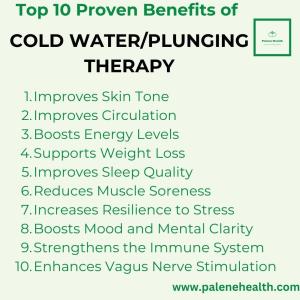
Cold water therapy, also known as cold plunging, cold immersion, or cryotherapy, has been making waves in the wellness world. From elite athletes to everyday fitness enthusiasts, many are turning to this ancient practice for its numerous physical and mental health benefits. But what exactly is cold water therapy, and why is it gaining so much attention?
In this comprehensive guide, we’ll explore the science behind cold water therapy, its benefits, and how you can safely incorporate it into your wellness routine. Whether you’re looking to boost your immune system, reduce inflammation, or improve mental clarity, cold water therapy offers a range of benefits that might just convince you to take the plunge.
What is Cold Water Therapy/Cold Plunging?
Cold water therapy involves immersing the body in cold water (typically between 50-59°F or 10-15°C) for a short period. This can be done in various ways, including cold showers, ice baths, or natural cold water sources like rivers, lakes, or the ocean. The practice has been around for centuries, with roots in ancient Greek and Roman cultures, where it was used to promote health and vitality.
Today, cold water therapy has been embraced by a wide range of people, from professional athletes using it for recovery to wellness seekers looking to improve their overall health. The appeal lies in its simplicity and the growing body of research supporting its benefits.
The Science Behind Cold Water Therapy
How Cold Water Affects the Body
When you immerse your body in cold water, several physiological responses are triggered. First of all, your body experiences a sudden drop in temperature. This causes blood vessels to constrict (vasoconstriction), which helps reduce inflammation and swelling. The body sees this drop in temperature as a threat to your general well-being. Therefore, the body begins to work to maintain its core temperature and this increases the blood circulation increases. This blood then delivers oxygen and nutrients to vital organs and tissues, keeping you healthy.
The cold also stimulates the production of norepinephrine. This is a neurotransmitter (chemical messenger) that plays a key role in mood regulation and pain management. This release of norepinephrine is associated with reduced pain perception and improved mood, which is why many people feel a sense of euphoria after a cold plunge.
Additionally, cold exposure has been shown to activate brown adipose tissue (brown fat). The brown fat generates heat by burning calories, hence keeping you warm. It also supports weight management and metabolic health, keeping you at optimal health.
The Role of the Vagus Nerve
One of the most fascinating aspects of cold water therapy is its impact on the vagus nerve. The vagus nerve is a critical component of the parasympathetic nervous system often referred to as the “rest and digest” system. The vagus nerve is the longest cranial nerve, extending from the brainstem to the abdomen. It regulates numerous bodily functions, including:
- Heart Rate. It helps control heart rate by promoting a state of relaxation and reducing stress-induced heart rate increases.
- Respiration. It influences breathing patterns and can help promote slow, deep breathing.
- Digestive Processes. It supports the digestive system by promoting the secretion of digestive enzymes and peristalsis (movement of the digestive tract).
- Inflammation. It plays a role in modulating the immune response and reducing inflammation.
Cold Water Exposure and the Vagus Nerve
After being activated by cold temperatures, the vagus nerve helps the body in:
- Activating the Parasympathetic Nervous System
Cold water exposure can stimulate the vagus nerve and enhance the activation of the parasympathetic nervous system. This activation promotes a state of relaxation and counteracts the stress response. When exposed to cold water, the body experiences a stress response that can lead to improved vagal tone over time, as the vagus nerve helps mediate the recovery process.
- Improving the Heart Rate Variability (HRV)
The Heart Rate Variability (HRV) is a measure of the variation in time between heartbeats and is considered a marker of autonomic nervous system balance. Higher HRV is associated with better vagal tone and greater parasympathetic activity. Cold water exposure has been shown to improve HRV, indicating enhanced vagal function and better overall autonomic balance.
- Enhancing Stress Resilience
Regular cold water exposure may help improve the body’s resilience to stress by strengthening vagal tone. The vagus nerve helps regulate the stress response by promoting relaxation and reducing inflammation. By repeatedly exposing the body to cold stress, individuals might enhance their ability to manage and recover from stressful situations.
- Breathing and Relaxation
Cold water immersion often leads to slower, deeper breathing as a natural response to the shock of the cold. This deep breathing stimulates the vagus nerve and enhances parasympathetic activity, contributing to a sense of calm and relaxation.
- Reducing Inflammation
The vagus nerve plays a role in modulating the immune response and controlling inflammation. Cold water exposure has been associated with reduced levels of inflammation in the body, which may be partly due to the increased vagal activity and its influence on inflammatory processes.
What Scientific Evidence Supports Cold Water Therapy/Cold Plunging?
Research on Cold Water and Vagal Tone
A study published in The Journal of Physiology (2016) examined the effects of cold water immersion on autonomic function and found that cold exposure increased parasympathetic activity and improved vagal tone. This supports the idea that cold water exposure can positively influence vagus nerve function.
Study on HRV and Cold Exposure
Research published in Frontiers in Physiology (2020) found that cold water immersion improved HRV, indicating better vagal tone and autonomic balance. This study suggests that cold exposure can enhance vagal function and contribute to overall health.
The Physical Benefits of Cold Water Therapy
- Reducing Inflammation and Muscle Soreness
Cold water therapy is perhaps best known for its ability to reduce inflammation and alleviate muscle soreness. Athletes and fitness enthusiasts often use ice baths or cold plunges after intense workouts to speed up recovery. The cold constricts blood vessels, reducing blood flow to the affected areas and decreasing swelling.
This process is known as cryotherapy. It helps flush out metabolic waste products like lactic acid, which can accumulate in muscles during exercise. By reducing inflammation and promoting quicker recovery, cold water therapy helps you bounce back faster from workouts and reduces the risk of injury.
- Boosting the Immune System
Emerging research suggests that cold water therapy may have a positive impact on the immune system. Regular exposure to cold water has been shown to increase the production of white blood cells and other immune-boosting factors. A study published in the journal PLoS One in 2016 found this to be true. The findings highlighted that people who regularly took cold showers had fewer sick days compared to those who took warm showers.
The theory behind this is that the body’s exposure to cold temperatures forces it to adapt, making the immune system more resilient. More research is needed to fully understand the mechanisms of cold water therapy. However, the anecdotal evidence from cold water therapy practitioners supports the idea that it can enhance immune function.
- Enhancing Circulation and Cardiovascular Health
Cold water immersion stimulates circulation by causing blood vessels to constrict and then dilate as the body warms up afterwards. This process, known as vasoconstriction and vasodilation, can improve blood flow and oxygen delivery to the body’s tissues.
Improved circulation is beneficial for cardiovascular health. It helps lower blood pressure, reduce the risk of cardiovascular disease, and promote overall heart health. Regular cold water therapy may also strengthen the heart by challenging it to pump more efficiently in response to the cold.
The Mental and Emotional Benefits of Cold Water Therapy
- Boosting Mental Clarity and Focus
One of the most immediate effects of cold water immersion is a heightened sense of alertness and mental clarity. The shock of cold water triggers the release of norepinephrine and endorphins, which enhances focus, mood, and cognitive performance.
Many people who practice cold water therapy report feeling more energized, clear-headed, and motivated after a session. This mental boost can be particularly beneficial for those who struggle with fatigue, brain fog, or lack of motivation.
- Alleviating Symptoms of Depression and Anxiety
Cold water therapy has gained attention for its potential to alleviate symptoms of depression and anxiety. The cold stimulates the vagus nerve, which plays a key role in regulating mood and emotional well-being. Activation of the vagus nerve through cold exposure has been linked to reduced symptoms of depression and anxiety.
Additionally, the release of endorphins during cold water immersion can create a natural “high,” similar to the feeling experienced after exercise. This endorphin works by helping lift mood and reduce feelings of stress and anxiety.
- Building Mental Resilience
Regular cold water therapy is not just a physical practice. It is a mental challenge as well. Overcoming the discomfort of cold immersion requires mental toughness and resilience. By regularly exposing yourself to cold water, you train your mind to endure discomfort and develop greater mental strength.
This mental resilience can carry over into other areas of life, helping you manage stress, face challenges with greater confidence, and build a more positive mindset.
Different Methods of Cold Water Therapy
- Cold Showers
Cold showers are one of the most accessible forms of cold water therapy. You can easily incorporate them into your daily routine and don’t require any special equipment. Start with a warm shower and gradually decrease the temperature until you’re under cold water. Aim to stay under the cold water for at least 30 seconds to a minute, gradually increasing the duration as you become more accustomed to the cold.
- Ice Baths
Ice baths involve immersing your body in a tub filled with cold water and ice. The water temperature should be between 50-59°F (10-15°C). Ice baths are more intense than cold showers and are often used by athletes for recovery after intense physical activity.
To take an ice bath, fill a tub with cold water and add enough ice to reach the desired temperature. Immerse your body up to your neck and stay in the water for 5-15 minutes. It’s important to listen to your body and exit the bath if you start feeling too uncomfortable or numb.
- Natural Cold Water Sources
For those who have access to natural cold water sources like lakes, rivers, or the ocean, these can provide a refreshing and invigorating form of cold water therapy. Swimming in cold natural water combines the benefits of cold immersion with the calming effects of being in nature.
Before immersing yourself in natural water, it’s important to assess the safety of the location, including water quality, currents, and temperature. Always take precautions and never swim alone in cold water.
- Cryotherapy Chambers
Cryotherapy chambers are a more modern and controlled method of cold therapy. These chambers expose the body to extremely cold air (as low as -200°F or -130°C) for a short period, typically 2-4 minutes. Cryotherapy is often used for muscle recovery, pain relief, and reducing inflammation.
While cryotherapy chambers can be effective, they are typically more expensive and less accessible than other forms of cold water therapy. However, they offer a controlled environment and can be a convenient option for those who prefer not to immerse themselves in cold water.
Safety Considerations and Precautions
While cold water therapy offers numerous benefits, it’s important to approach it with caution, especially if you’re new to the practice. Here are some safety considerations to keep in mind:
- Start Gradually. If you’re new to cold water therapy, start with shorter durations and less intense cold exposure. Gradually increase the time and intensity as your body adapts.
- Listen to Your Body. Pay attention to how your body responds to the cold. If you experience dizziness, numbness, or extreme discomfort, it’s important to exit the water immediately.
- Warm Up Slowly. After a cold immersion, it’s important to warm up your body slowly. Avoid hot showers or baths immediately after cold exposure, as this can cause rapid changes in blood pressure. Instead, wrap yourself in warm clothing and allow your body to warm up naturally.
- Consult with a Doctor. If you have any pre-existing medical conditions, such as heart problems, Raynaud’s disease, or circulatory issues, it’s important to consult with a healthcare professional before starting cold water therapy.
How to Incorporate Cold Water Therapy into Your Routine
Cold water therapy can be a powerful addition to your wellness routine, but it’s important to find a method and schedule that works for you. Here are some tips for incorporating cold water therapy into your life:
- Morning Cold Showers. Starting your day with a cold shower can boost your energy levels and set a positive tone for the day. Try incorporating a 30-second cold blast at the end of your morning shower.
- Post-Workout Ice Baths. If you’re an athlete or regularly engage in intense physical activity, consider adding ice baths to your post-workout routine to reduce muscle soreness and speed up recovery.
- Weekend Cold Plunges. If you have access to a natural cold water source, make it a weekend ritual to take a cold plunge. This can be a great way to connect with nature and recharge for the week ahead.
- Mindful Cold Exposure. Use cold water therapy as an opportunity to practice mindfulness. Focus on your breath and stay present in the moment as you immerse yourself in the cold. This can enhance the mental benefits of the practice.
Frequently Asked Questions (FAQs) on Cold Water Therapy
- What is cold water therapy?
Cold water therapy, also known as cold hydrotherapy, involves immersing the body in cold water or taking cold showers to improve physical and mental health. It is used for reducing inflammation, enhancing recovery, boosting circulation, and improving overall well-being.
- What are the benefits of cold water therapy?
Cold water therapy offers various benefits, including reduced muscle soreness, enhanced circulation, improved mood, better immune function, and increased resilience to stress. It can also help with mental clarity and energy levels.
- How does cold water therapy work?
Cold water therapy works by exposing the body to cold temperatures, which triggers physiological responses such as vasoconstriction, increased heart rate, and the activation of the vagus nerve. These responses help improve circulation, reduce inflammation, and promote relaxation.
- Can cold water therapy help with anxiety and depression?
Yes, cold water therapy can help with anxiety and depression by stimulating the release of endorphins and norepinephrine, which are chemicals that improve mood and reduce stress. Regular cold exposure may enhance mental resilience.
 Palene Health