
Mpox, formerly known as monkeypox, is a viral zoonotic disease that is increasingly gaining global attention. The disease was first discovered in 1958. However, its recent rise in cases highlights the need for greater awareness and understanding of this Mpox disease. With the increasing risk of zoonotic diseases, knowing how Mpox spreads, its symptoms, and prevention strategies are crucial to protecting public health.
What Is Mpox?
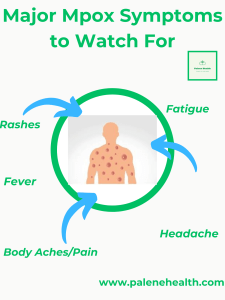
Mpox is a viral infection caused by the monkeypox virus, a member of the Orthopoxvirus genus. The disease was first identified in monkeys, but rodents and other animals in the wild primarily spread it. Human cases are rare but have been reported in various parts of Africa since the 1970s. Recently, there has been a notable increase in cases, including several outbreaks in non-endemic countries such as Australia, Spain and Colombia. As a result, the World Health Organisation (WHO) continues to emphasise the need to underscore the importance of public awareness.
How Is Mpox Transmitted?
How Is Mpox Transmitted?
Mpox transmission occurs through both animal-to-human and human-to-human contact. Coming into direct contact with infected animals’ blood, bodily fluids, or skin lesions makes the monkeypox virus spread even more. Animals, particularly rodents and primates, are the primary way the virus spreads. Also, consuming undercooked meat from infected animals poses a risk for the development of the disease.
Even though human-to-human transmissions occur less frequently, they are still significant. The virus can spread through respiratory droplets during prolonged face-to-face contact or through direct contact with body fluids or lesion material. This mode of transmission makes close household contacts, healthcare workers, and individuals who handle the infected material more susceptible to contracting the disease.
What Are the Stages of the Mpox (Monkeypox) Virus?
Mpox, like many diseases progresses through several stages. Each of these stages has different symptoms and clinical signs:
1. Incubation Period
- Duration. This stage occurs between 6 to 13 days but can range from 5 to 21 days.
- Symptoms. Individuals show no symptoms during this period as the virus is replicating in the body. At this stage, the person with mpox virus is not contagious during the incubation phase.
2. Prodromal Stage (Initial Symptoms)
- Duration. This stage occurs between 1 to 5 days.
- Symptoms. Individuals may have:
- Fever. This is one of the first signs of mpox, often high and sudden.
- Headache. Infected individuals may complain of severe headaches.
- Muscle Aches (Myalgia). Patients often experience widespread muscle pain.
- Back Pain. Lower back pain is frequently reported.
- Swollen Lymph Nodes (Lymphadenopathy). This symptom is key because it differentiates Mpox from smallpox. People with Mpox have a noticeable swelling in the neck, armpits, or groin, which is absent in smallpox.
- Fatigue. Patients report extreme tiredness and a general feeling of being unwell.
- Contagiousness. The individual may begin to be contagious as symptoms start to develop.
3. Eruptive Stage (Rash Development)
- Duration. This stage can last between 2 to 4 weeks.
- Symptoms. One of the major symptoms in this stage is a rash that appears 1 to 3 days after the onset of fever. With time, this rash progresses through several stages:
- Macules. These are small, flat red spots that appear on the skin.
- Papules. These spots then rise and become more prominent.
- Vesicles. The papules fill with clear fluid, forming vesicles (blisters).
- Pustules. The vesicles become filled with pus, forming pustules.
- Scabs. The pustules eventually dry up and scab over, which later falls off, leaving scars.
- Spread of Rash. The rash begins on the face before spreading to other parts of the body, including the palms of the hands, soles of the feet, and even inside the mouth and on the genitals.
- Contagiousness. The individual is highly contagious during this stage, especially when the rash is present.
4. Resolution Stage
- Duration. This stage occurs as the scabs fall off, typically 2 to 4 weeks after the initial symptoms appear.
- Symptoms. This stage doesn’t have many symptoms. The scabs fall off, leaving the skin underneath healed, though sometimes pitted or scarred.
- Contagiousness. The person is no longer contagious once all the scabs have fallen off and the skin has healed.
5. Recovery Stage
Long-term Effects. In some cases, individuals may experience long-term skin changes or scarring.
Duration. This stage varies depending on the severity of the infection and the individual’s overall health.Symptoms. Experiencing full recovery may take several weeks, and the skin may show signs of scarring or discolouration.
What Are the Signs and Symptoms of Mpox Infection?
Mpox presents with a variety of signs and symptoms. These symptoms fall under two major categories: The initial stage and the later stage, marked by the appearance of the characteristic rash.
Initial Stage (Prodrome)
- Fever. This is often the first symptom. Sometimes, this fever can be high and may last for several days.
- Headache. Severe headaches are common during the initial phase of the illness.
- Muscle Aches (Myalgia). Patients often experience widespread muscle pain.
- Backache. People with Mpox disease often complain of pain in the lower back.
- Swollen Lymph Nodes (Lymphadenopathy). The lymph nodes may swell in the neck, armpits, or groin areas.
- Chills. Many patients experience chills along with the fever.
- Fatigue. Individuals experience extreme tiredness and a general feeling of malaise.
Later Stage (Rash Development)
- Rash. The rash usually begins within 1 to 3 days after the fever starts. It begins on the face before spreading to other parts of the body. The rash progresses through several stages:
- Macules-Flat, red spots that appear on the skin.
- Papules-Raised bumps on the skin.
- Vesicles-Fluid-filled blisters.
- Pustules-Blisters filled with pus.
- Scabs-The pustules eventually dry up and form scabs that fall off after a couple of weeks.
Additional Symptoms
- Mouth Sores. Sometimes, sores may develop in the mouth, affecting the mucous membranes.
- Sore Throat. Patients may experience a sore throat that can accompany mouth sores.
- Difficulty Breathing or Coughing. Respiratory symptoms may occur, especially if the mouth or throat is involved.
- Eye Involvement. The eyes may be affected in rare cases, leading to conjunctivitis or other ocular symptoms.
The symptoms generally last 2 to 4 weeks, and most people recover without specific treatment. However, the disease can be more severe in some cases, especially in individuals with weakened immune systems.
How is Mpox Diagnosed?
Diagnosing Mpox requires a combination of clinical assessment and laboratory testing. Given the nonspecific nature of early symptoms, healthcare providers must consider a patient’s travel history, potential exposure to animals, and any known contact with infected individuals.
Laboratory confirmation of Mpox is usually done through polymerase chain reaction (PCR) testing, which detects the genetic material of the virus in samples taken from skin lesions, respiratory secretions, or blood. In some cases, electron microscopy or viral culture may be used to identify the virus, although these methods are less commonly available.
How is Mpox Treated?
There is currently no specific treatment for Mpox. Supportive care remains the primary approach to managing the disease. This includes treating symptoms like fever, pain, and dehydration. In severe cases, hospitalization may be necessary to provide more intensive care, including the management of complications like secondary bacterial infections or severe respiratory distress.
Antiviral medications, such as tecovirimat, are being studied for their effectiveness against Mpox, particularly in severe or complicated cases. Tecovirimat is already approved for treating smallpox, another Orthopoxvirus, and may offer some benefit in treating Mpox due to the similarities between the viruses. However, access to such treatments is currently limited, and their use is typically reserved for severe cases or outbreaks where the disease threatens to spread widely. Here are more btreatment options for mpox virus:https://my.clevelandclinic.org/health/diseases/22371-monkeypox
How Do You Prevent Mpox?
In efforts to prevent Mpox infection, vaccination plays a critical role. Vaccination is important, especially in areas where the disease is endemic or where outbreaks occur. The smallpox vaccine, which was widely used before the eradication of smallpox in 1980, provides some protection against Mpox. People who have received the smallpox vaccine are believed to have a reduced risk of contracting Mpox or experiencing severe symptoms.
In recent years, a newer vaccine known as JYNNEOS (also called Imvamune or Imvanex) has been developed and approved for use in preventing both smallpox and Mpox. This vaccine is particularly important for healthcare workers, laboratory personnel, and others who might be at higher risk of exposure.
What Are Other Ways of Preventing Mpox Disease?
Avoiding contact with animals that could carry the virus. This includes wild rodents and primates in regions where Mpox is known to be present.
Practicing good hygiene. Washing hands frequently and avoiding contact with people who are sick can help reduce the risk of transmission.
Proper handling of potentially contaminated materials. Healthcare workers and others who might come into contact with infected materials should follow strict protocols to prevent exposure.
Cooking meat thoroughly. Ensuring that all meat is cooked properly before consumption can reduce the risk of zoonotic transmission.
How Do I take Care of Myself While Living with Mpox?
Taking care of yourself while managing Mpox involves a combination of self-care practices, monitoring symptoms, and seeking medical advice when necessary. Here are some guidelines to help you manage your health during this time:
1. Follow Medical Advice
- Consult a Healthcare Provider. If you’ve been diagnosed with Mpox, follow the treatment plan prescribed by your doctor. This may include antiviral medications or other treatments to manage symptoms.
- Regular Check-ins. Keep in contact with your healthcare provider to monitor your condition, especially if your symptoms worsen.
2. Manage Symptoms
- Pain and Fever. Over-the-counter pain relievers like acetaminophen or ibuprofen can help reduce fever and relieve pain.
- Hydration. Drink plenty of fluids to stay hydrated, especially if you have a fever.
- Rest. Ensure you get plenty of rest to help your body fight the infection.
3. Skin Care
- Keep Skin Clean. Gently wash the affected areas with mild soap and water. Avoid scrubbing the blisters or sores.
- Avoid Scratching. Scratching can lead to secondary infections or scarring. Keep nails trimmed and consider wearing gloves at night to prevent scratching.
- Topical Treatments. Your healthcare provider might recommend ointments or creams to soothe the skin or prevent infections.
4. Prevent Spread
- Isolate. Stay isolated to prevent spreading the virus to others, especially if you live with others. Avoid close contact until all lesions have crusted over and healed.
- Use Separate Items. Avoid sharing personal items like towels, bedding, or clothing with others.
- Proper Disposal. Dispose of used bandages or tissues carefully to avoid contaminating others.
5. Mental Health
- Stay Connected. Isolation can be challenging. Stay connected with loved ones through phone calls or video chats.
- Practice Relaxation. Techniques like deep breathing, meditation, or gentle yoga can help manage stress.
- Seek Support. If you feel overwhelmed, consider reaching out to a mental health professional for support.
6. Nutrition
- Balanced Diet. Eat a balanced diet rich in fruits, vegetables, and proteins to support your immune system.
- Supplements. Consider taking vitamins like vitamin C, zinc, or other immune-supporting supplements, but only after consulting with your doctor.
7. Monitor Symptoms
- Track Progress. Keep a journal of your symptoms, noting any changes. This will help your healthcare provider adjust your treatment plan if needed.
- Watch for Complications. If you experience severe pain, difficulty breathing, or any other concerning symptoms, seek medical attention immediately.
Taking care of yourself while dealing with Mpox requires attention to both your physical and mental health. By following these steps, you can manage your symptoms more effectively and promote a quicker recovery. Here are complications of Mpox virus: https://www.mayoclinic.org/diseases-conditions/infectious-diseases/expert-answers/monkeypox-faq/faq-20533608
Frequently Asked Questions (FAQs) on Mpox
1. What is Mpox and how is it transmitted?
Mpox, also known as monkeypox, is a viral infection caused by the monkeypox virus. It is transmitted through close contact with an infected person’s skin lesions, bodily fluids, or respiratory droplets. It can also spread through contact with contaminated materials or animals.
2. What are the common symptoms of Mpox?
Symptoms of Mpox include fever, headache, muscle aches, back pain, swollen lymph nodes, and exhaustion. A distinctive rash typically appears 1 to 3 days after the fever, starting on the face and spreading to other parts of the body. The rash progresses from flat spots to fluid-filled blisters, which eventually crust over.
3. How is Mpox treated and what should I do if I suspect I have it?
Mpox treatment focuses on relieving symptoms as there is no specific antiviral treatment. Supportive care includes staying hydrated, resting, and managing pain with over-the-counter medications. If you suspect you have Mpox, isolate yourself to prevent spreading the virus and contact a healthcare provider for advice and potential testing.
Mpox vs. Chickenpox
4. How does Mpox differ from Chickenpox?
Mpox and Chickenpox are caused by different viruses. Mpox, caused by the monkeypox virus, results in firm, deep-seated lesions that often start on the face and spread to other areas, including the palms and soles. Chickenpox, caused by the varicella-zoster virus, features itchy, superficial lesions that typically begin on the torso and spread outward. Mpox also includes swollen lymph nodes, which is not a common feature of Chickenpox.
Mpox vs. Smallpox
5. What are the key differences between Mpox and Smallpox?
Mpox and Smallpox are both caused by Orthopoxviruses but have notable differences. Mpox is generally less severe, with fewer and less dense lesions and often involves swollen lymph nodes. Smallpox, which was eradicated in 1980, had a higher mortality rate and caused a more uniform and dense rash across the body. Additionally, Mpox is still present in some regions, whereas Smallpox has been eradicated due to successful vaccination efforts.
 Palene Health