
What is Celiac Disease?
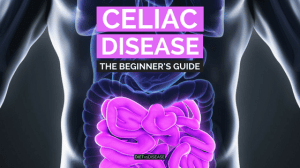
Celiac disease is a chronic autoimmune disorder. The condition occurs primarily when you eat gluten, triggering your immune system to attack the body tissues. Ideally, Celiac disease affects the small intestine when gluten, a protein found in wheat, barley, and rye, is consumed.
It is also found in pasta, cakes, breakfast cereals, most types of bread, some ready meals, and also certain types of sauces. Most beers are made from barley, so they contain gluten as well. This autoimmune disease damages the gut, making it difficult for small intestines to absorb nutrients properly.
Currently, Celiac disease has affected about 1% of the global population. The condition leads to many signs and symptoms, which when not properly treated result in complications. The only current treatment for celiac disease is a strict, lifelong gluten-free diet.
Types of Celiac Disease
Classical Celiac Disease
This type of celiac disease presents many gastrointestinal symptoms. Most of these symptoms are malabsorption, including chronic diarrhea, steatorrhea and weight loss. Classical celiac disease is often diagnosed in childhood but can occur at any age.
Non-Classical Celiac Disease
This type of celiac disease shows minimal or no gastrointestinal symptoms at all. Patients with those types experience symptoms like anemia, osteoporosis, or neurological issues such as headaches and peripheral neuropathy. It is difficult to diagnose this type of celiac disease as its symptoms overlap with many other conditions.
Silent Celiac Disease
People suffering from this type do not show any noticeable symptoms of celiac disease. However, such individuals usually have positive blood tests for the disease. They also show intestinal damage, which is a major characteristic of celiac disease. Because of the silence of this disease, it is often discovered during screening for other conditions or because a family member has celiac disease.
Latent Celiac Disease
This type is found in people who have a genetic history of celiac disease and have a positive blood test. Unlike other types that show damage to the intestinal wall, latent celiac disease shows normal intestinal mucosa. Such people may not show signs early but may end up developing the disease later in life and they start showing symptoms or the intestinal mucosa becomes damaged.
What Are the Causes of Celiac Disease?
The exact cause of celiac disease is unknown, but it is understood to be a combination of genetic, environmental, and immunological factors:
Genetics
Celiac disease has a strong link to genetic components. Its development is primarily linked to the HLA-DQ2 and HLA-DQ8 genes. HLA-DQ2 is found in 95% of people with genetic predisposition while HLA-DQ8 is present in about 5% of individuals with the condition.
These two genes encode proteins that help the immune system distinguish between the body’s proteins and foreign proteins, such as those from pathogens. However, in people with celiac disease, these two HLA proteins improperly present gluten peptides to the immune system as pathogens, allowing the immune system to attack them. In return, this triggers an abnormal autoimmune response to gluten, leading to inflammation and damage in the small intestine.
Even if these HLA genes play a huge role in the development of celiac disease, they are not solely responsible. According to genome-wide association studies, there have been over 40 additional genetic loci that contribute to disease risk. Also, this disease runs in families, with first-degree relatives having a significantly higher risk, indicating a strong hereditary component.
Immune System Response
Celiac disease involves a complex interplay between genetic predisposition and an abnormal immune response to gluten. When individuals with celiac disease genetic markers consume gluten, their immune system mistakenly identifies gluten peptides as harmful. This activates gluten-specific T cells, which release pro-inflammatory cytokines. These cytokines are responsible for triggering inflammation and damage to the small intestine’s lining. This sudden immune response damages the villi, which are responsible for nutrient absorption. In return, this causes various gastrointestinal problems such as malabsorption.
Environmental Triggers
Again, environmental factors, such as infections and the timing of gluten introduction in infancy, also interact with these genetic predispositions to trigger the disease. For example, infections, particularly viral infections like rotavirus and enterovirus, can disrupt gut permeability and immune responses, potentially initiating the disease process.
Also, the timing of gluten introduction during infancy plays a significant role. When gluten is introduced early, it potentially increases the risk of having celiac disease. However, introducing gluten while breastfeeding the child reduces the risk. For more clarification, check this out: Celiac.com).
The gut microbiome is another key factor in celiac disease. For our guts to function normally, there must be a balance of the microbiome. However, any imbalance in gut bacteria, or dysbiosis, triggers the immune system, increasing the chances of having celiac disease. Lastly, factors like surgeries or severe stress can activate the disease in predisposed individuals.
Who is at Risk of Developing Celiac Disease?
Certain factors increase the likelihood of developing celiac disease. They include:
Family History
Coming from a family with a first-degree relative with celiac disease significantly increases your risk.
Genetic Disorders
Having other disorders that are genetically inherited exposes you to celiac disease more. For example, individuals with conditions like Down syndrome, Turner syndrome, and type 1 diabetes have a higher risk. This is because these conditions are associated with a higher prevalence of celiac disease. T
Other Autoimmune Disorders
Suffering from immune system disorders increases your risk of being diagnosed with celiac disease. For instance, people with autoimmune thyroid disease, Addison’s disease, and microscopic colitis have a higher risk of developing celiac disease. All these diseases have a common link with underlying immune system dysfunction.
What Are Signs and Symptoms of Celiac Disorders?
Celiac disease showcases many symptoms that vary from individual to individual and age group:
Gastrointestinal Symptoms
As the disease causes inflammation in the intestines, many symptoms appear. small intestine’s inability to absorb nutrients properly due to damage caused by the immune response to gluten.
Many patients experience chronic diarrhea, constipation, abdominal pain, bloating, gas, and nausea.
Non-Gastrointestinal Symptoms
Even though celiac disease affects the intestines primarily, it also triggers symptoms outside of the gastrointestinal tract. These symptoms include fatigue, weight loss, anemia, osteoporosis and infertility. Neurological symptoms such as headaches, peripheral neuropathy in addition to and skin rashes (dermatitis herpetiformis) are also common. Non-gastrointestinal symptoms often develop as a result of nutrient deficiencies and chronic inflammation.
Symptoms in Children
Children with celiac disease may have delayed growth and development. They may also have dental enamel defects, behavioural issues, and a potbelly. This comes as a result of a dysfunctional intestinal wall that cannot absorb the necessary nutrients needed for growth and development. Children are also also sensitive to immune system disturbances, hence poor health outcomes. Here are diseases that have similar signs and symptoms to Celiac disease: https://shorturl.at/wAn5P
What Are the Complications of Celiac Disease?
If left untreated, celiac disease can lead to several serious health complications, including;
Malnutrition
As the intestines get impaired, poor absorption of food and nutrients occurs. This leads to weight loss, anemia, and stunted growth in children. With time, malnutrition causes severe health issues and even death.
Bone Disorders
Inadequate absorption of essential nutrients like Vitamin D leads to conditions like osteoporosis and osteomalacia. These conditions weaken bones, making them more prone to fractures. In children, a lack of Vitamin D causes rickets, a condition characterised by a deformity of the legs.
Reproductive Issues
Celiac disease causes many reproductive system problems through various mechanisms. For instance, inflamed intestines fail to absorb key nutrients such as Vitamin D, Iron and folate. These nutrients are essential for reproductive health. Their absence causes menstrual irregularities, anovulation (lack of ovulation), and conditions such as amenorrhea (absence of menstruation), all of which can contribute to infertility. It also causes hormonal imbalance and dysfunction of reproductive organs.
Neurological Issues
Celiac disease causes the malabsorption of essential nutrients like vitamin B12, vitamin D, and folate. These nutrients are crucial for nervous system function, and when absent, individuals develop peripheral neuropathy. This is a condition characterised by tingling, numbness, and pain in the hands and feet due to nerve damage. Seizures may also occur.
It also causes gluten ataxia, a rare condition associated with celiac disease. It specifically affects the cerebellum, leading to difficulty with coordination and gait. Studies have also linked celiac disease to a higher prevalence of migraines, headaches, and cognitive impairments, including brain fog and difficulties with concentration and memory. See how this occurs here: Celiac.com.
Increased Risk of Cancer
When not treated properly, celiac disease progresses to causing malignant tumours in various parts of the body. Common malignancies are small bowel adenocarcinoma and enteropathy-associated T-cell lymphoma (EATL). This occurs due to chronic inflammation and immune system dysregulation in the intestines.
How is Celiac Disease Diagnosed?
Diagnosing celiac disease involves a combination of:
Blood Tests. This is a test aimed at analysing specific antibodies such as anti-tissue transglutaminase (tTG) and anti-endomysium antibodies (EMA). Elevated levels of these antibodies suggest an immune reaction to gluten which conform the diagnosis.
Genetic Testing. This test is used to identify HLA-DQ2 and HLA-DQ8 genes. Having these genes increases the risk of celiac disease, but their presence does not confirm the diagnosis.
Biopsy. In a biopsy, a small piece of intestinal tissue is used to confirm the diagnosis. This is achieved by assessing damage to the villi, the tiny, finger-like projections that absorb nutrients. This procedure is typically done through an endoscopy.
Vitamin Deficiency Tests. If celiac disease is confirmed, the doctor may order other tests to assess your general health. These tests check the levels of vitamins A, B-12, D and E, as well. Other mineral levels can also be assessed, including hemoglobin and liver enzymes.
Treatment Options for Celiac Disease
Celiac disease has no specific cure. Its treatment modalities primarily revolve around a strict, lifelong gluten-free diet. This means eliminating all foods that contain wheat, barley, and rye. Here are various ways of managing celiac disease;
Nutritional Supplements
Celiac disease causes poor absorption of nutrients. Therefore, having supplemental iron, calcium, vitamin D, and other nutrients. Supplements help to restore nutrient levels and support overall health.
Medications
Celiac disease comes with many symptoms that can cause pain and impair everyday life. To manage these symptoms, the doctors prescribe specific drugs to manage specific symptoms. For example, people with dermatitis herpetiformis, a skin condition associated with celiac disease can use Dapsone.
However, Dapson can cause hemolytic anemia and peripheral neuropathy. Again, Prednisone drug, which is a steroid may be prescribed for severe inflammation. However, prednisone may cause weight gain, osteoporosis, and increased susceptibility to infections.
Follow-Up Care
Celiac disease lacks an absolute cure and requires regular monitoring and consultations. Healthcare providers work to ensure that patients adhere to proper diets and manage any complications.
Lifestyle Remedies
Adopting certain lifestyle changes can significantly improve the quality of life for individuals with celiac disease:
Educate Yourself
Understanding the types of foods and products that contain gluten is crucial. Many processed foods, medications, and even cosmetics can contain hidden gluten. See the list of products containing gluten here: https://shorturl.at/kTs7w
Read Labels
Always check food labels for gluten-containing ingredients. Look for certifications that indicate a product is gluten-free.
Dietary Needs
Communicate your dietary needs clearly when eating at restaurants. Many restaurants offer gluten-free menus or are willing to accommodate gluten-free requests.
Support Groups
Join a celiac disease support group. This can provide emotional support and practical tips for living gluten-free. Connecting with others who have the condition can help you navigate challenges and find new gluten-free products and recipes.
FAQs
Can celiac disease develop later in life?
Yes, celiac disease can develop at any age, even in individuals who have previously consumed gluten without issues. Environmental triggers or changes in the immune system can activate the disease later in life.
Is there a cure for celiac disease?
Currently, there is no cure for celiac disease. The only effective treatment is a lifelong adherence to a gluten-free diet, which helps manage symptoms and prevent complications.
What should I do if I accidentally consume gluten?
If you accidentally ingest gluten, you may experience symptoms such as abdominal pain, diarrhea, or headaches. It’s important to drink plenty of water, rest, and contact your healthcare provider if symptoms are severe or persistent. Over-the-counter medications may help manage symptoms.
Are oats safe for people with celiac disease?
Pure, uncontaminated oats are generally safe for most people with celiac disease. However, cross-contamination with gluten-containing grains is common, so it’s essential to choose certified gluten-free oats. Some individuals may still react to oats due to a protein called avenin, so monitoring your body’s response is important.
 Palene Health