
What Are Endocrine Disorders?

The endocrine system is a network of glands that secrete hormones directly into the bloodstream. These hormones play a vital role in regulating many physiological processes including metabolism, growth, and mood.
When these glands fail to produce adequate hormones, it triggers endocrinology-related diseases. Endocrinology diseases arise when these glands fail to produce the right amount of hormones. Also, this can be triggered when there is an imbalance of hormone production, where the hormones are either too little or too high.
This article will aim to offer a comprehensive guide to common endocrinology diseases, their causes, and symptoms. It will also look into diagnostic methods and possible treatment modalities. Understanding these important aspects can aid in detecting these diseases early and managing them effectively.
Understanding Endocrinology
The endocrine system includes the following key glands:
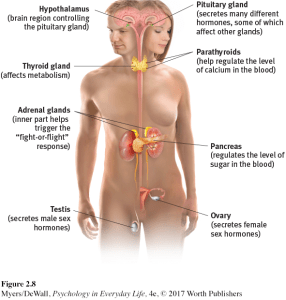
Image Source:https://shorturl.at/RCIMB
1. Thyroid Gland
This is a key gland that produces hormones such as thyroxine (T4) and triiodothyronine (T3). T3 and T4 work by regulating metabolism, body temperature, weight, energy levels, skin, hair and nail growth, etc.
2. Pituitary Gland
This is a major gland and is also known as the “master gland.” It controls other endocrine glands and produces growth hormones, Adrenocorticotrophic hormone (ACTH), Thyroid stimulating hormone (TSH), prolactin and growth hormone and others.
3. Adrenal Glands
This is responsible for the production of hormones like cortisol, aldosterone, and adrenaline which are crucial for stress response and metabolic functions.
4. Pancreas
The pancreas is often viewed as an organ as opposed to being a gland. It produces hormones insulin and glucagon which regulates blood sugar.
5. Ovaries (in females)
Produce estrogen and progesterone, which are essential for reproductive health. These hormones are responsible for the menstrual cycle, changes that occur during puberty in women, bone strength, pregnancy, etc.
6. Testes (in males)
Produce testosterone hormone, which influences male reproductive functions and secondary sexual characteristics.
Common Endocrine System Diseases
1. Diabetes Mellitus
Diabetes Mellitus is a chronic condition characterized by high blood sugar levels. This elevation occurs due to the body’s inability to produce or effectively use insulin hormone. It’s one of the most prevalent endocrine diseases. This condition is also highly attributed to sedentary lifestyles such as obesity, physical inactivity or poor diet. Other causes are genetic predisposition and certain medical conditions.
Research shows an increase in the diagnosis of endocrine disorders each year, and these numbers are expected to grow. For example, Over 537 million adults had diabetes in 2021. Type 1 diabetes affects about 1.1 million children and adolescents. Read more about diabetes here: https://shorturl.at/lgKFK
Types of Diabetes
Type 1 Diabetes
This is an autoimmune condition. It occurs when the immune system mistakenly attacks and destroys insulin-producing beta cells in the pancreas. Insulin is a hormone essential for regulating blood sugar levels. Without insulin, glucose accumulates in the bloodstream instead of entering cells to be used for energy.
This results in high blood sugar levels, leading to various health complications if not managed properly. The exact cause of this autoimmune response is not fully understood but is believed to involve genetic and environmental factors.
Type 2 Diabetes
This is the most common type of diabetes. Type 2 diabetes is a chronic condition characterized by insulin resistance, where the body’s cells do not respond effectively to insulin. Over time, the pancreas cannot produce enough insulin to maintain normal blood sugar levels. This leads to elevated blood sugar levels, which can cause various health problems including frequent urination excessive thirst, blurred vision, fatigue and unexplained weight loss.
Factors contributing to type 2 diabetes include genetic predisposition, obesity, physical inactivity, poor diet, and aging. Unlike type 1 diabetes, type 2 is often associated with lifestyle factors and can sometimes be managed or even prevented through healthy lifestyle changes.
Gestational Diabetes
Gestational diabetes is a type of diabetes that develops during pregnancy. It occurs when the body cannot produce enough insulin to meet the increased needs during pregnancy, leading to elevated blood sugar levels. Several factors can contribute to gestational diabetes, including hormonal changes during pregnancy that make cells more resistant to insulin, genetic predisposition, and being overweight or obese.
While gestational diabetes usually resolves after the baby is born, it increases the risk of developing type 2 diabetes later in life for both the mother and the child. Managing gestational diabetes typically involves a combination of dietary changes, physical activity, and sometimes medication. Expand your understanding of Gestational Diabetes here: https://rb.gy/2zycrk
2. Thyroid Disorders
The thyroid gland regulates metabolism through the production of hormones T3 and T4. An imbalance of these hormones or they are not produced at all, several disorders can develop which leads to metabolic disruptions.
Types of Thyroid Disorders
Hypothyroidism
This is a condition characterized by an underactive thyroid gland. This leads to low production of hormones T3 and T4, triggering a myriad of problems. Hypothyroidism is triggered by several factors including an autoimmune disease (Hashimoto’s thyroiditis), thyroid surgery, radiation therapy, certain medications, congenital defects, iodine deficiency, or pituitary disorders. Fatigue, weight gain, cold intolerance, constipation, and dry skin are key symptoms.
Hyperthyroidism
This condition occurs when the thyroid gland is overactive. An overactive thyroid gland produces excessive hormones. It is caused by factors like Graves’ disease (an autoimmune disorder), thyroid nodules, thyroiditis, excessive iodine intake, or taking too much thyroid hormone medication. The condition is characterized by symptoms like weight loss, rapid heartbeat, excessive sweating, and anxiety.
3. Adrenal Gland Disorders
The adrenal glands are responsible for producing hormones that manage stress responses and metabolic functions. These hormones include:
Cortisol: Helps control metabolism, reduce inflammation, and assist with stress response.
Aldosterone: Regulates blood pressure by managing the balance of sodium and potassium in the blood.
Adrenaline (Epinephrine): Increases heart rate, blood flow to muscles, and blood sugar level; part of the fight-or-flight response.
Noradrenaline (Norepinephrine): Works with adrenaline in response to stress, affecting blood pressure and heart rate.
Androgens: Contribute to the development of male characteristics and reproductive activity, also present in females in smaller amounts.
Types of Adrenal Gland Disorders
Any interruption of adrenal gland functioning leads to the following disorders:
Addison’s Disease
Addison’s disease, or primary adrenal insufficiency, occurs when the adrenal glands do not produce enough cortisol and aldosterone. This can result from autoimmune destruction of the adrenal glands, infections, or other diseases. Symptoms include fatigue, muscle weakness, weight loss, low blood pressure, and darkening of the skin. Treatment typically involves hormone replacement therapy to compensate for the deficient hormones.
Cushing’s Syndrome
Cushing syndrome is a condition caused by prolonged exposure to high levels of cortisol, either from excessive production by the adrenal glands or from taking corticosteroid medications. It leads to symptoms such as weight gain, particularly in the face (moon face) and abdomen, high blood pressure, weakened muscles, and mood changes. The condition can be caused by adrenal tumors, pituitary tumors (Cushing’s disease), or other factors that increase cortisol levels. Treatment depends on the cause and may include surgery, medication, or radiation therapy. Understand the basics of Cushing’s Syndrome here:https://shorturl.at/MbuYu
4. Pituitary Gland Disorders
The pituitary gland regulates other endocrine glands and secretes hormones that control growth, metabolism, and reproduction. These hormones are:
Growth Hormone (GH): Stimulates growth and cell repair.
Thyroid-Stimulating Hormone (TSH): Stimulates the thyroid gland to produce thyroid hormones.
Adrenocorticotropic Hormone (ACTH): Stimulates the adrenal glands to produce cortisol.
Luteinizing Hormone (LH): Regulates reproductive processes, including ovulation and testosterone production.
Follicle-Stimulating Hormone (FSH): Stimulates egg and sperm production.
Prolactin (PRL): Promotes milk production in breastfeeding women.
Antidiuretic Hormone (ADH): Regulates water balance by controlling the kidneys’ reabsorption of water.
Oxytocin: Stimulates uterine contractions during childbirth and milk ejection during breastfeeding.
Types of Pituitary Gland Disorders
Failure to produce enough or any of the above hormones by the pituitary gland leads to the following disorders:
Acromegaly
Acromegaly is a rare hormonal disorder caused by excessive growth hormone (GH) production, usually due to a benign tumor of the pituitary gland. It leads to enlarged hands, feet, and facial features, as well as joint pain and other complications. Treatment typically involves surgery, medication, or radiation to reduce GH levels and manage symptoms.
Pituitary Tumors
Pituitary tumors are abnormal growths in the pituitary gland, which can affect hormone production and lead to a range of symptoms. They can be classified as functional (producing excess hormones) or non-functional (not producing hormones). Common types include adenomas, which are usually benign and can cause symptoms like headaches, vision problems, and hormonal imbalances. Treatment often involves surgery, medication, or radiation, depending on the tumor’s type, size, and impact on hormone levels and surrounding structures.
Diagnosis and Testing
Diagnosing endocrine disorders involves a combination of patient history, physical examination, and specific tests:
Blood Tests
Used to measure hormone levels to identify imbalances or deficiencies.
Imaging Studies
This is the use of techniques such as ultrasound, CT scans, or MRIs to help visualize gland abnormalities or tumors.
Biopsy
This procedure involves taking tissue samples to diagnose tumors or other pathological conditions.
Dynamic Testing
This entails stimulation or suppression tests to assess gland function and hormone levels.
Treatment and Management
Treatment strategies vary depending on the specific endocrine disorder. The choice of treatment is also based on the severity of the disorder as well as other factors such as weight, presence of other comorbidities, age, etc. Below is a list of general treatment approaches used in treating endocrine disorders.

Medications
To correct hormone imbalances or manage symptoms. Examples include insulin for diabetes, hormone replacement therapy for thyroid disorders, and cortisol for Addison’s Disease.
Lifestyle Modifications
This is very essential in managing conditions like Type 2 diabetes and thyroid disorders. It includes dietary changes, regular exercise, and stress management to give individuals normal lives.
Surgical Interventions
When the disorder is severe, surgical intervention becomes necessary. Surgery is indicated to remove tumors or correct gland abnormalities. For example, thyroidectomy surgery (a procedure to remove all or part of the thyroid gland) may be used for severe hyperthyroidism or adrenalectomy for tumors.
Prevention of Endocrine Disorders and Healthy Lifestyle Tips
While some endocrine disorders are unavoidable, maintaining a healthy lifestyle can help manage or prevent certain conditions. Below are lifestyle tips to help prevent the disorders or manage the existing ones effectively:
Balanced Diet
- Diabetes: Focus on low-glycemic index foods, whole grains, lean proteins, and healthy fats. Monitor carbohydrate intake.
- Thyroid Disorders: Ensure adequate iodine intake (but not excessive), and eat a balanced diet rich in fruits, vegetables, and lean proteins.
Regular Exercise
- Diabetes: Engage in regular physical activity to help regulate blood sugar levels and improve insulin sensitivity.
- Thyroid Disorders: Regular exercise can help manage weight and improve overall energy levels.
Weight Management
- Diabetes: Achieve and maintain a healthy weight to improve blood sugar control.
- Thyroid Disorders: Maintain a healthy weight, as thyroid imbalances can affect metabolism and weight.
Stress Management
- Adrenal Disorders (e.g., Addison’s or Cushing’s): Use techniques such as mindfulness, yoga, or meditation to manage stress, which can impact hormone levels.
- General: Stress can affect overall hormone balance, so managing stress through relaxation techniques is beneficial.
Adequate Sleep
- General: Ensure quality sleep to support hormonal balance and overall health.
Regular Monitoring
- Diabetes: Regularly monitor blood sugar levels and follow up with healthcare providers for tailored advice.
- Thyroid Disorders: Monitor thyroid hormone levels as directed by a healthcare provider.
Avoiding Toxins
- Endocrine Disruptors: Minimize exposure to chemicals and substances that may interfere with hormonal function, such as certain plastics, pesticides, and heavy metals.
Hydration
- General: Drink plenty of water to support overall health and metabolic processes.
Conclusion
Endocrine system diseases can profoundly affect various aspects of health, from metabolic processes to growth and mood regulation. By understanding the causes, symptoms, and treatments of these disorders, individuals can better manage their health and seek timely medical intervention. If you suspect you have an endocrine disorder, consult with a healthcare provider for accurate diagnosis and appropriate treatment.
Call to Action
If you found this article informative, share it with friends or family who might benefit from learning about endocrine diseases. For personalized advice and treatment, consider reaching out to an endocrinologist.
 Palene Health